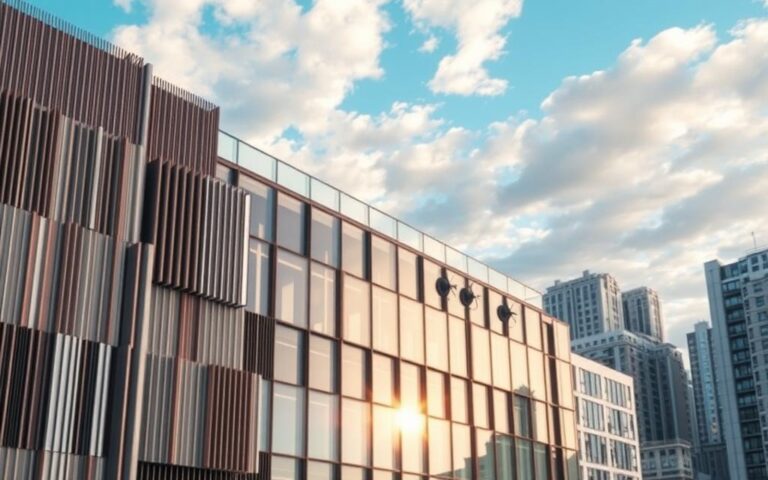
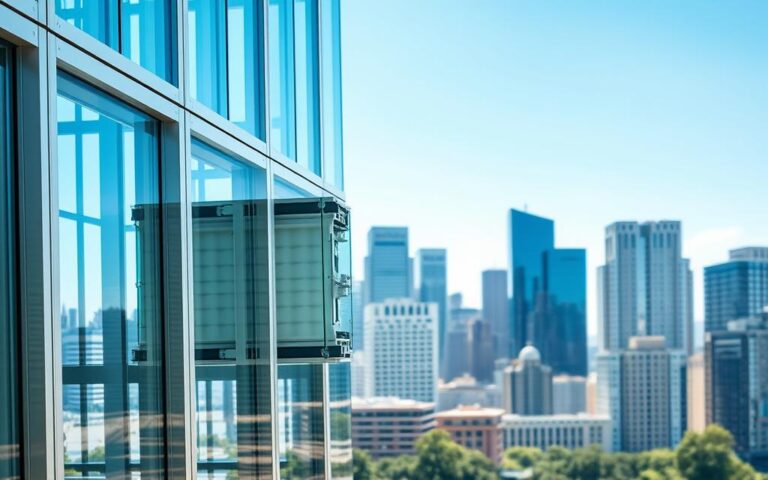
Have you ever looked up at a towering skyscraper and wondered how its glass exterior stays in place? You are likely admiring a Curtain Wall. This architectural feature acts as a lightweight, non-structural skin that protects a building from the elements.
In this Facadia guide, we explore the technical side of modern building design. Our goal is to provide a clear curtain wall definition so you can understand how these systems function. Think of this resource as your digital Encyclopedia for exterior building science.
These systems do not carry the weight of the structure itself. Instead, they hang off the frame like a heavy coat. This design choice allows architects to use large glass panels to create stunning, light-filled spaces that define our modern city skylines.
Key Takeaways
- A curtain wall is a non-structural outer covering for buildings.
- These systems are designed to keep weather out while letting light in.
- They do not support the weight of the building frame.
- Modern designs often use lightweight materials like aluminum and glass.
- These skins help improve energy efficiency in large structures.
Introduction to Curtain Walls
A curtain wall serves as more than just a window; it is a sophisticated barrier between the interior and the exterior world. This non-structural outer covering keeps weather out and occupants comfortable while allowing natural light to flood the space.
What is a Curtain Wall?
In the professional encyclopedia of construction, the curtain wall definition refers to a lightweight aluminum-framed facade system. It typically contains infills of glass, metal panels, or thin stone. Because these systems do not carry the dead load of the building, they only support their own weight and resist environmental forces like wind.
History of Curtain Wall Systems
The journey of these systems began during the industrial revolution when iron and glass technology first emerged. Early designs were simple, but they paved the way for the massive glass towers we see in cities today.
Over the decades, engineering advancements transformed these facades into high-performance envelopes. Modern systems now offer superior thermal insulation and moisture control compared to their historical predecessors.
Importance in Modern Architecture
Today, the curtain wall is a cornerstone of the Facadia design philosophy. Architects rely on these systems to achieve a sleek, transparent aesthetic without compromising the structural integrity of the building.
By integrating these systems, designers can create buildings that feel open and connected to the surrounding environment. This balance of beauty and function remains a vital goal for any project aiming to define the future of urban architecture through the Facadia approach.
Components of Curtain Walls
Designing a successful exterior involves balancing strength, transparency, and thermal control through precise engineering. Every Curtain Wall serves as a protective skin for a building, requiring a careful selection of materials to ensure long-term performance. These facade systems must withstand environmental pressures while maintaining a sleek, modern appearance.
Frames and Materials
The structural backbone of most systems is typically extruded aluminum. Aluminum is favored for its high strength-to-weight ratio and its ability to be shaped into complex profiles. Structural integrity is maintained by connecting these frames to the building’s primary floor slabs.
Beyond aluminum, steel is sometimes used for projects requiring extra support or unique aesthetic profiles. These frames act as the skeleton for the entire Curtain Wall, ensuring that the glass panels remain secure against wind loads and seismic activity.
Glazing Options
Glass selection is the most visible aspect of modern facade systems. Architects choose from various glazing types to manage light transmission and solar heat gain. High-performance coatings are often applied to glass to reflect infrared light while allowing visible light to enter.
Double or triple-pane units are standard in many regions to improve energy efficiency. These units often feature low-emissivity (Low-E) coatings that help keep interior temperatures stable throughout the year. Selecting the right glass is essential for balancing natural daylight with occupant comfort.
Insulation Features
Maintaining interior comfort requires advanced insulation features integrated directly into the frame. Thermal breaks, usually made of polyamide or polyurethane, are inserted into the aluminum profiles to prevent heat transfer. This thermal isolation is critical for reducing energy costs in large commercial buildings.
Proper sealing and gaskets also play a vital role in preventing air and water infiltration. These components work together to create a weather-tight barrier that protects the building envelope. The following table highlights the characteristics of common materials used in these systems.
| Material Type | Primary Benefit | Thermal Performance | Maintenance Level |
|---|---|---|---|
| Extruded Aluminum | Lightweight/Durable | Moderate (with breaks) | Low |
| Structural Steel | High Strength | Low | Moderate |
| Thermally Broken PVC | Excellent Insulation | High | Low |
| Composite Panels | Design Flexibility | Moderate | Low |
How Curtain Walls Function
Modern architecture relies on sophisticated facade systems to maintain structural integrity and occupant comfort. These exterior envelopes serve as the primary barrier between the interior environment and the harsh elements of the outside world.
Load-Bearing vs. Non-Load-Bearing
It is a common misconception that every exterior wall supports the weight of a building. In reality, a Curtain Wall is typically a non-load-bearing element that hangs from the structural frame of the building.
Because it does not carry the floor or roof loads, it only needs to support its own weight and resist environmental forces. This structural independence allows architects to use lighter materials like glass and aluminum without compromising the safety of the main building frame.
Weather Resistance Capabilities
These facade systems are engineered to act as a robust shield against the elements. They must effectively manage water drainage, air infiltration, and wind pressure to keep the interior dry and stable.
Advanced designs incorporate specific features to ensure long-term durability:
- Pressure equalization chambers to prevent water penetration.
- High-quality gaskets and sealants that withstand extreme temperature fluctuations.
- Structural glazing that remains secure during high-wind events.
Energy Efficiency in Design
A high-performance Curtain Wall plays a critical role in the overall energy profile of a structure. By utilizing advanced thermal breaking technology, these systems significantly reduce heat transfer between the inside and outside.
Engineers often select low-emissivity glass and insulated frames to minimize energy loss. This strategic design ensures that heating and cooling systems operate more efficiently, which ultimately lowers utility costs for building owners.
Types of Curtain Walls
Selecting the ideal installation approach determines how quickly and efficiently a structure comes to life. Every project requires a specific Curtain Wall strategy to balance budget, design complexity, and site constraints.
Stick Systems
The stick system remains the most traditional method for building a glass exterior. In this approach, individual components are shipped to the job site and assembled piece by piece.
Workers install the mullions and transoms directly onto the building frame before adding the glass panels. This method is highly flexible, allowing for adjustments during the installation process to accommodate minor building irregularities.
Unitized Systems
Unitized facade systems offer a modern solution for projects that demand speed and precision. These units are fully assembled in a controlled factory environment, which ensures high quality and consistency.
Once the panels arrive at the site, they are lifted and attached to the building structure. This streamlined process significantly reduces on-site labor time and minimizes weather-related delays.
- Factory-controlled quality assurance.
- Rapid installation speed on-site.
- Reduced need for large on-site storage.
Semi-Unitized Systems
A semi-unitized Curtain Wall provides a hybrid approach for unique architectural needs. It combines the structural benefits of stick systems with the efficiency of pre-assembled components.
In this setup, the main frame is installed first, followed by the insertion of pre-glazed units. These facade systems are often chosen when a project requires a specific aesthetic look that standard unitized options cannot provide.
Careful planning is essential when using this method to ensure all parts fit together perfectly. It serves as a reliable middle ground for complex building designs.
Benefits of Using Curtain Walls
Choosing the right exterior system can transform the entire performance of a structure. Modern facade systems provide a unique blend of visual impact and technical reliability that architects demand today.
Aesthetic Appeal
The most striking feature of a Curtain Wall is its ability to create a seamless, glass-heavy exterior. These systems allow natural light to flood interior spaces, which creates a bright and welcoming environment for occupants.
By minimizing visible framing, designers can achieve a clean, minimalist look that defines many iconic city skylines. This transparency helps buildings feel lighter and more connected to their surroundings.
Structural Flexibility
Beyond looks, these systems offer impressive structural flexibility. They are designed to accommodate building movement caused by wind loads or thermal expansion without compromising the integrity of the seal.
Because the system hangs from the building frame rather than supporting the weight of the floors, it allows for creative architectural shapes. This independence ensures that the facade remains stable even as the primary structure shifts slightly over time.
Sustainable Design Advantages
Modern construction projects often prioritize environmental impact. A high-quality Curtain Wall contributes significantly to sustainable design advantages by improving thermal performance and reducing energy consumption.
Many of these systems are compatible with high-performance glazing that minimizes heat gain in the summer and heat loss in the winter. These features are essential for achieving prestigious green building certifications like LEED.
| Benefit Category | Primary Advantage | Impact on Project |
|---|---|---|
| Aesthetics | Maximum Transparency | Enhanced Market Value |
| Structural | Movement Tolerance | Increased Longevity |
| Sustainability | Thermal Efficiency | Lower Operating Costs |
Common Applications of Curtain Walls
The adaptability of a Curtain Wall allows it to serve a wide range of building types across the United States. By acting as a sophisticated building envelope, these systems provide both structural protection and visual appeal to diverse architectural projects.
Commercial Buildings
High-rise office towers frequently utilize these systems to create iconic, glass-heavy facades that define corporate identity. These structures benefit from the lightweight nature of the panels, which reduces the overall load on the building frame.
Beyond aesthetics, a commercial Curtain Wall helps manage thermal performance in large spaces. This ensures that the building envelope remains efficient even in demanding urban climates.
Residential Projects
Luxury residential developments often incorporate these systems to maximize natural light and provide expansive views. Homeowners enjoy the seamless connection between indoor living areas and the outside world.
Using a high-quality Curtain Wall in residential design adds a modern, sleek touch to the property. It transforms the building envelope into a functional piece of art that enhances daily comfort.
Educational and Institutional Facilities
Schools and hospitals require environments that are both safe and welcoming for occupants. These facilities use the building envelope to control acoustics and maintain stable indoor temperatures throughout the year.
A durable Curtain Wall provides the necessary resilience for high-traffic institutional buildings. It serves as a reliable barrier against the elements while allowing natural daylight to brighten classrooms and patient recovery rooms.
Installation Processes for Curtain Walls
Achieving a seamless building envelope starts long before the first panel is lifted into place. The installation of a curtain wall is a sophisticated engineering feat that requires strict adherence to technical specifications. When teams follow a structured workflow, they ensure the long-term performance and safety of the structure.
Site Preparation
Before any materials arrive on-site, the construction team must verify the structural integrity of the primary frame. Surveyors perform precise measurements to confirm that the building’s concrete or steel skeleton matches the architectural drawings. This step is vital for the successful alignment of the curtain wall system.
Workers also verify the placement of anchor points during this phase. These anchors serve as the critical connection between the facade and the main structure. Ensuring these points are perfectly level prevents future stress on the glass panels and metal frames.
Fabrication and Assembly
Most modern systems are manufactured in a controlled factory environment to ensure maximum precision. By assembling components off-site, manufacturers reduce the risk of errors that often occur during field construction. This factory-controlled approach guarantees that every seal and joint meets high industry standards.
Once the components reach the site, the assembly team follows a rigorous sequence. They lift the units into position using specialized cranes and mechanical lifts. This process requires careful coordination to maintain the integrity of the building envelope while protecting the glass from damage.
Quality Control Measures
Quality control is the final barrier against water infiltration and structural failure. Inspectors perform regular checks to ensure that all gaskets and thermal breaks are installed correctly. A properly sealed curtain wall prevents air leaks and keeps the interior environment comfortable.
Testing protocols often include water spray tests and air pressure checks to validate the performance of the facade. These measures provide peace of mind to building owners and occupants alike. Maintaining a high standard of building envelope quality is essential for the longevity of any commercial project.
| Phase | Primary Goal | Key Responsibility |
|---|---|---|
| Site Prep | Accuracy | Surveying and Anchor Verification |
| Fabrication | Precision | Factory-Controlled Assembly |
| Installation | Efficiency | Mechanical Lifting and Alignment |
| Quality Control | Performance | Leak Testing and Inspection |
Maintenance of Curtain Walls
A well-maintained building envelope is the secret to long-term structural integrity. When you prioritize the health of your exterior facade, you protect the entire property from environmental damage. Consistent care ensures that your Curtain Wall continues to perform at its peak efficiency.
Routine Inspection Tips
Facility managers should perform visual inspections at least twice a year. Look closely for signs of seal failure, such as fogging between glass panes or visible gaps in the gaskets. Early detection of these issues prevents water infiltration and costly structural repairs.
Check the metal framing for signs of corrosion or loose fasteners. If you notice any cracks in the glass or damaged weatherstripping, document these areas immediately. Proactive monitoring is the most effective way to keep your system safe and reliable.
Cleaning Techniques
Professional cleaning is essential to preserve the aesthetic appeal of your glass and metal surfaces. Use mild detergents and soft, non-abrasive cloths to avoid scratching the finish. Always rinse the surface thoroughly with clean water to remove any chemical residue.
Avoid using high-pressure washers, as they can force water into the joints and damage the seals. For high-rise structures, hiring certified rope access technicians is the safest way to reach difficult areas. Regular cleaning also helps you spot potential problems before they become major headaches.
Addressing Common Issues
Condensation is a frequent concern that often points to poor ventilation or failed thermal breaks. If you notice moisture buildup, inspect the interior seals and ensure the drainage paths are clear of debris. Addressing these small leaks quickly will protect the building envelope from long-term moisture damage.
Hardware wear is another common issue that affects the functionality of operable windows within the system. Lubricate hinges and locking mechanisms annually to ensure smooth operation. Keeping your Curtain Wall in good working order requires a disciplined approach to these minor repairs.
| Maintenance Task | Frequency | Primary Goal |
|---|---|---|
| Visual Seal Check | Bi-Annually | Prevent Leaks |
| Surface Cleaning | Quarterly | Maintain Aesthetics |
| Hardware Lubrication | Annually | Ensure Functionality |
| Drainage Inspection | Bi-Annually | Manage Condensation |
Innovations in Curtain Wall Technology
New technology is turning the standard Curtain Wall into a dynamic and highly responsive part of the modern structure. These advancements allow the building envelope to act as a living skin that reacts to the surrounding environment in real-time.
Smart Curtain Walls
Smart systems now utilize advanced sensors to monitor internal and external conditions. These facades can automatically adjust their opacity or ventilation levels to maintain comfort without manual intervention.
By responding to sunlight and temperature shifts, these systems significantly reduce the load on HVAC units. This intelligent design ensures that occupants enjoy a stable climate while the building operates at peak efficiency.
Sustainability Innovations
The industry is moving toward net-zero goals by integrating renewable energy directly into the facade. Building-integrated photovoltaics (BIPV) allow the glass panels to generate electricity while providing shade.
Beyond power generation, new materials are improving the thermal performance of the entire building envelope. These innovations include:
- High-performance vacuum-insulated glazing units.
- Self-cleaning coatings that reduce maintenance needs.
- Recycled aluminum frames that lower the carbon footprint of the Curtain Wall.
Aesthetic Enhancements
Architects are no longer limited to simple, flat glass surfaces. Modern fabrication techniques allow for complex, three-dimensional geometries that define the skyline of major cities.
Digital printing on glass enables intricate patterns and branding to be embedded directly into the facade. These aesthetic enhancements provide a unique visual identity while maintaining the structural integrity required for high-rise construction. By blending art with engineering, designers are creating structures that are as beautiful as they are functional.
Challenges and Considerations
Designing a high-performance building envelope requires careful navigation of several complex project hurdles. Architects must balance aesthetic goals with the physical realities of the site to ensure long-term success. Every Curtain Wall project demands a strategic approach to overcome these inherent obstacles.
Climate Impact on Design
Local weather patterns play a massive role in how a facade system performs over time. Designers must select materials that withstand extreme temperatures, high winds, and heavy precipitation. A Curtain Wall designed for a coastal region in Florida will differ significantly from one built in the snowy climate of Minnesota.
Thermal expansion and moisture control are critical factors in these environments. Engineers often use specialized gaskets and drainage systems to prevent water infiltration. These proactive measures ensure the structure remains durable regardless of the external climate.
Regulatory Compliance
Navigating the maze of local building codes is a fundamental part of the design process. Every building envelope must meet strict safety standards regarding fire resistance and structural integrity. Failure to comply with these regulations can lead to costly delays or project rejection.
Architects frequently work with local authorities to ensure all designs meet current safety mandates. This collaboration helps verify that the glass and framing systems provide adequate protection for occupants. Staying informed about changing codes is essential for any successful installation.
Cost Factors and Budgeting
Budgeting for a Curtain Wall involves more than just the initial price of materials. Project managers must account for labor, installation complexity, and long-term maintenance requirements. Balancing these costs against the desired performance is a delicate task for any development team.
Investing in high-quality components often reduces future repair expenses. While the upfront cost might be higher, the long-term value usually justifies the initial expenditure. Careful financial planning ensures the project remains feasible without sacrificing quality.
| Challenge Category | Primary Focus | Risk Factor |
|---|---|---|
| Climate Impact | Weather Resistance | High |
| Regulatory Compliance | Safety Standards | Critical |
| Budgeting | Building Envelope Cost | Moderate |
Future Trends in Curtain Wall Design
We are entering an era where the exterior of a building acts as a living, breathing organism. Designers are moving beyond static structures to create a dynamic building envelope that responds to the needs of both the environment and the occupants inside.
Advances in Materials
The next generation of construction materials focuses on durability and environmental impact. Engineers are currently perfecting self-healing glass, which can automatically repair minor surface scratches or cracks through chemical reactions triggered by sunlight.
Furthermore, the industry is shifting toward carbon-neutral aluminum frames. These materials significantly reduce the embodied carbon footprint of a Curtain Wall, making high-rise construction much more sustainable than in previous decades.
“The building of the future will not just sit on the land; it will interact with the climate to provide a healthier space for everyone.”
Integration with Smart Technologies
Modern structures are becoming increasingly intelligent through the use of advanced sensor networks. These systems allow the building envelope to adjust its transparency or ventilation based on real-time weather data.
- Automated Shading: Systems that track the sun to minimize glare and heat gain.
- Dynamic Glazing: Electrochromic glass that tints automatically to save energy.
- Integrated Sensors: Monitoring air quality and thermal comfort for occupants.
Biophilic Design Approaches
Biophilic design aims to bridge the gap between urban life and the natural world. By incorporating greenery directly into the Curtain Wall system, architects can improve air quality and reduce stress levels for those working inside.
This approach often involves vertical gardens or integrated planters that thrive within the facade structure. Connecting with nature is no longer just an aesthetic choice; it is a fundamental requirement for modern, human-centric architecture.
Conclusion: The Role of Curtain Walls in Architecture
Architectural design continues to shift toward transparency and high performance. The Curtain Wall stands at the center of this evolution by balancing aesthetic beauty with structural integrity.
Core Principles of Design
Successful projects rely on the synergy between material selection and precise engineering. Facadia provides the expertise needed to navigate these complex requirements. Every installation serves as a testament to how light and space transform the urban landscape.
The Path Toward Future Construction
Smart technology will soon redefine how we interact with building skins. These systems will adapt to environmental changes in real time to maximize comfort. Facadia remains committed to pushing these boundaries to ensure every Curtain Wall meets the needs of tomorrow.
Refining Functionality and Style
Your next project deserves a solution that blends durability with visual impact. Consider how these advanced systems improve energy performance while creating iconic silhouettes. Reach out to industry experts to explore how your vision can become a reality through innovative facade engineering.