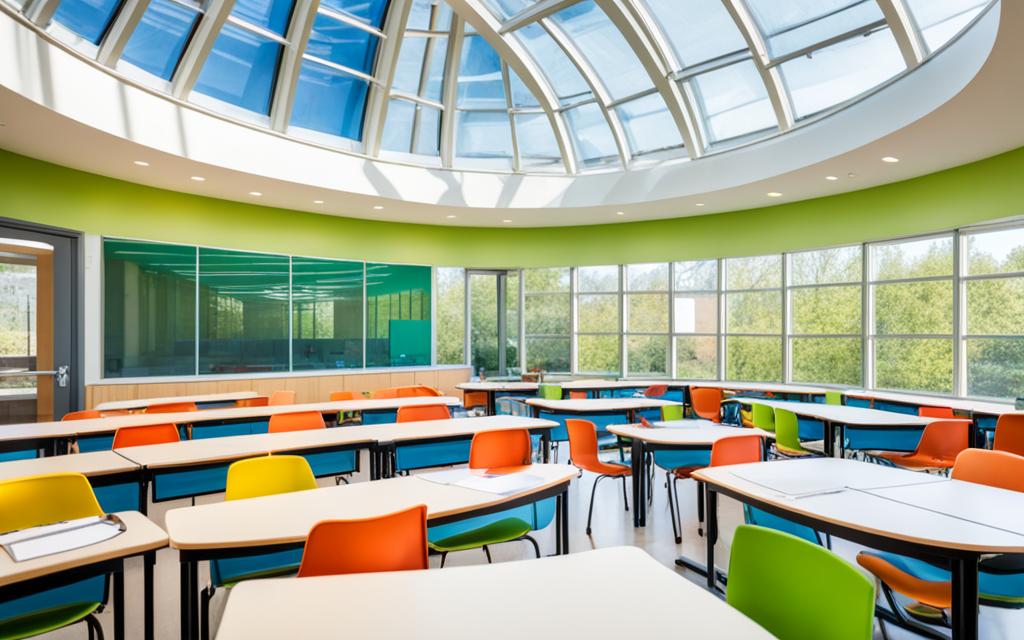
Schools play a critical role in shaping the learning experience of students. To create an optimal learning environment, architects and designers are incorporating skylights into school buildings. Skylight design in schools has been proven to enhance learning spaces and improve student engagement and performance. By maximizing the use of natural light and creating a connection to the outdoors, skylights contribute to a brighter and more positive educational experience.
Understanding the Role of Skylights in Enhancing Student Wellbeing
When it comes to designing educational facilities, creating a space that promotes student wellbeing is of utmost importance. One significant factor in enhancing student wellbeing is the presence of skylights. Skylights play a vital role in improving the physical, emotional, and cognitive health of students.
The Intersection of Physical, Emotional, and Cognitive Health in Learning
Natural light provided by skylights has a profound impact on student wellbeing. It helps regulate circadian rhythms, which are responsible for sleep-wake cycles and overall physical health. By incorporating skylights, educational facilities can ensure that students have access to optimal natural light exposure, improving their sleep patterns and promoting better physical health.
Moreover, skylights also have a positive impact on students’ emotional health. The presence of natural light has been linked to improved mood and reduced stress levels. By creating a bright and welcoming learning environment through skylights, schools can contribute to the emotional wellbeing of their students.
Influencing Health in Classrooms Through Architectural Design
The integration of skylights in classrooms goes beyond aesthetics. It has a direct impact on cognitive health and learning outcomes. Studies have shown that exposure to natural light improves cognitive function, concentration, and overall academic performance.
By allowing a generous amount of natural light into classrooms, skylights create a positive learning environment that fosters focus, creativity, and productivity. The use of skylights in educational settings enables students to thrive academically while enjoying the benefits of a well-illuminated space.
The Importance of Daylight in Educational Spaces
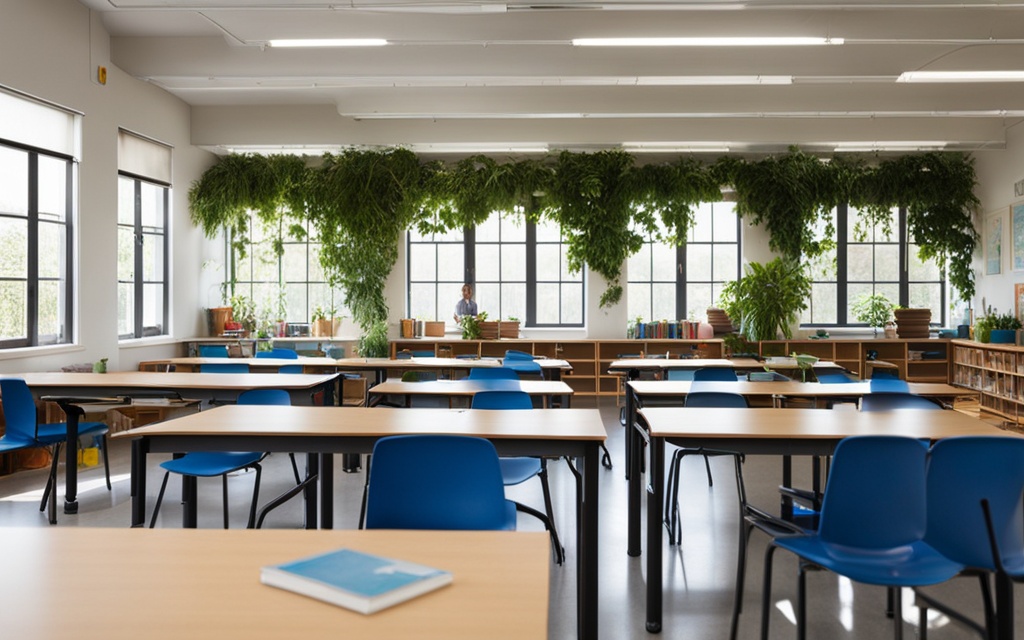
Daylight plays a crucial role in creating optimal educational spaces for students. The presence of natural light in schools has been proven to have numerous benefits for student performance and wellbeing. By maximizing daylight in schools, architects and designers can create a learning environment that enhances student learning, health, and overall productivity.
Maximizing Human Circadian Rhythms with Natural Light
Natural light has a direct impact on our circadian rhythms, which govern our sleep-wake cycles and overall wellness. When students are exposed to sufficient natural light during the day, their circadian rhythms are optimized, leading to improved sleep patterns and a more balanced well-being. By incorporating skylights and other daylighting solutions in educational spaces, schools can harness the power of natural light to promote healthy sleep habits and enhance student performance.
Impact of Seasonal Affective Disorder (SAD) on Student Stress and Learning
Seasonal Affective Disorder (SAD) is a type of depression that is associated with changes in seasons. It commonly occurs during the winter months when there is less natural light available. Students affected by SAD may experience increased stress levels and reduced ability to concentrate, which can negatively impact their learning outcomes. By maximizing daylight in schools, particularly during the winter months, schools can mitigate the effects of SAD, create a more positive learning environment, and support the mental well-being of their students.
Creating a learning environment that maximizes daylight is essential for the overall well-being and success of students. By incorporating skylights and other daylighting solutions, schools can optimize human circadian rhythms, mitigate the effects of seasonal affective disorder, and provide students with a bright and positive learning environment. The benefits of natural light in educational spaces are undeniable, and by prioritizing daylighting design, schools can create spaces that enhance student learning and well-being.
Improving Academic Outcomes with Skylight Design for Educational Facilities: Learning Environment Enhancement
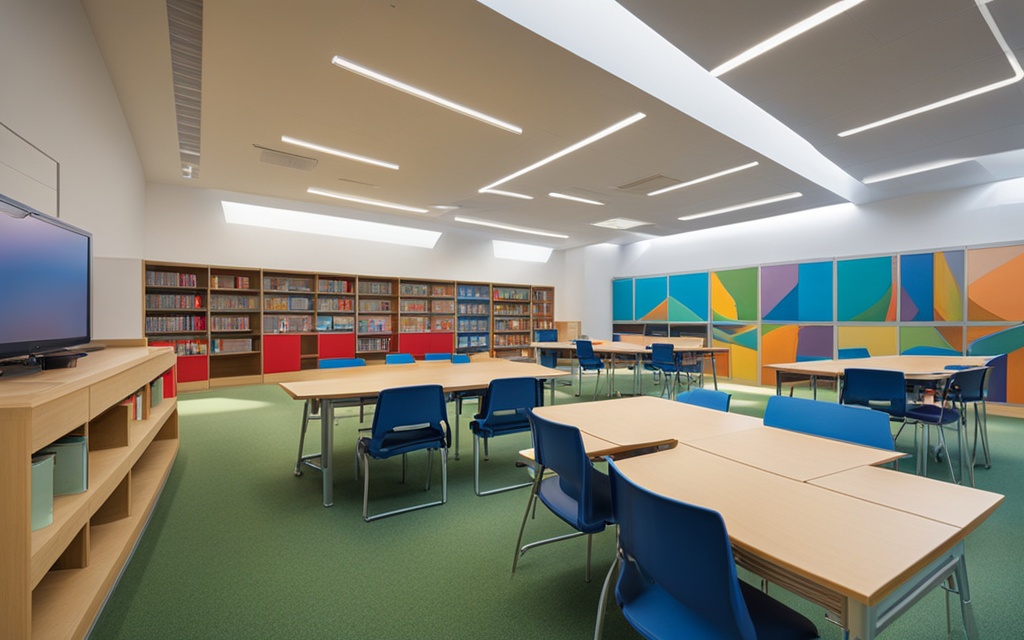
Skylight design in educational facilities has been recognized as a powerful tool for enhancing the learning environment and improving academic outcomes. Studies have revealed that exposure to natural light has a positive impact on student performance, particularly in tasks such as math and reading. By incorporating skylights into classrooms and common areas, schools can create well-lit and inspiring spaces that promote concentration, creativity, and ultimately lead to academic success.
Research has shown that natural light provided by skylights enhances cognitive function and increases alertness among students. The presence of ample natural light has been linked to improved memory, attention, and information processing abilities, which are fundamental for effective learning. When students are exposed to bright and stimulating environments, they are more likely to feel engaged, motivated, and eager to participate actively in their educational journey.
Skylights not only enhance the quality of light within educational facilities but also contribute to a healthier and more positive learning atmosphere. Natural light has been associated with reduced eye strain, fatigue, and headaches, creating a more comfortable and conducive environment for learning. Additionally, the connection to the outdoor environment that skylights provide can have a positive impact on students’ overall well-being, fostering a sense of calmness, inspiration, and creativity.
Studies have also shown that the integration of skylights in educational facilities can lead to improved student attendance and decreased absenteeism. The presence of natural light has been linked to better sleep patterns, thus enhancing overall physical health. By promoting a healthier learning environment, skylights contribute to a higher level of student engagement and overall well-being, resulting in improved academic performance.
“The introduction of skylights in our school has transformed the learning experience for our students. The positive impact of natural light on their motivation, focus, and academic achievement is truly remarkable.”
– Jane Davis, Principal of Greenfield High School
In conclusion, skylight design for educational facilities plays a crucial role in enhancing the learning environment and improving academic outcomes. By incorporating skylights into schools, architects and designers create well-lit spaces that promote concentration, foster creativity, and positively impact student well-being. The integration of natural light through skylights contributes to a brighter and more inspiring educational experience for students, enabling them to thrive academically and reach their full potential.
How Skylight Solutions Contribute to School Safety and Performance
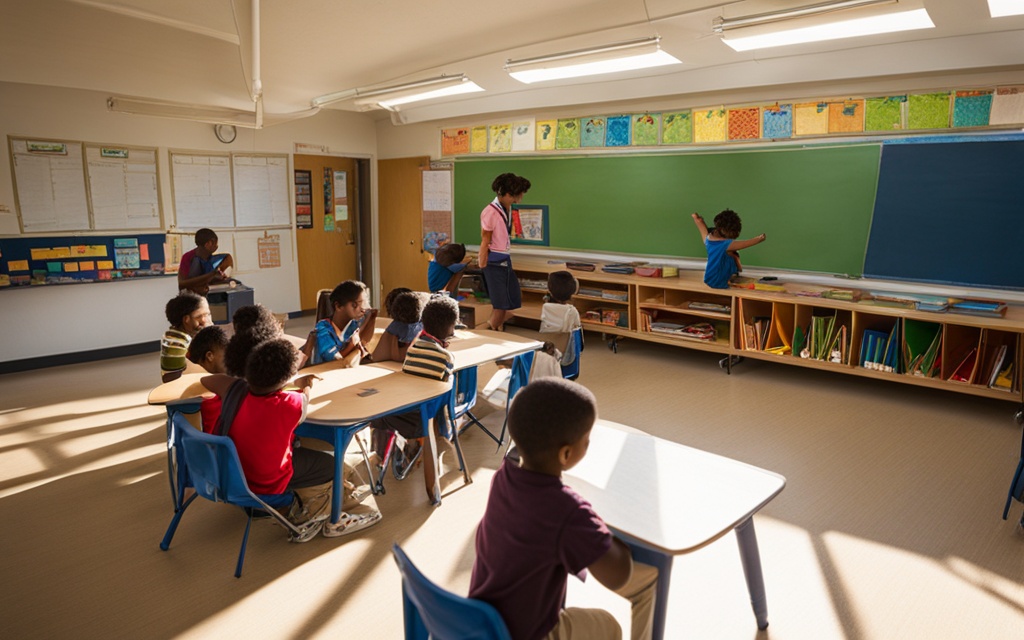
Skylight solutions in schools play a crucial role in enhancing the learning environment and promoting school safety and performance. One of the key benefits of skylights is the natural light they provide, which acts as a countermeasure to classroom stressors and contributes to the overall well-being of students and teachers.
Natural Light as a Countermeasure to Classroom Stressors
The presence of natural light in educational facilities serves as a powerful tool to alleviate the negative effects of artificial lighting and poor ventilation. By incorporating skylights, schools can create a more pleasant and comfortable atmosphere that reduces eye strain, minimizes headaches, and promotes a healthier learning environment. Natural light has been proven to have a positive impact on mood, energy levels, and overall cognitive functioning.
“Skylights in schools create a more pleasant and comfortable atmosphere that promotes focus and reduces eye strain.”
Boosting Concentration and Performance with Daylighting Designs
Daylighting designs, including the strategic placement of skylights, have been shown to significantly improve concentration and performance among students. Natural light helps regulate students’ sleep-wake cycles, leading to better rest and increased alertness during the day. This enhanced state of alertness contributes to improved retention and information processing, ultimately boosting academic performance.
Furthermore, skylights provide glimpses of the outside world, allowing students to connect with nature and experience a sense of openness and inspiration. This connection to the outdoors has been associated with increased creativity, problem-solving abilities, and overall engagement in the learning process.
By incorporating skylight solutions and maximizing natural light, schools can create a learning environment that is not only safe but also conducive to optimal performance. Skylights improve overall well-being, enhance concentration, and foster a positive atmosphere that supports students’ academic success.
| Benefits of Skylight Solutions for Schools |
|---|
| Enhanced well-being and mood of students and teachers |
| Reduction in eye strain and headaches |
| Improved cognitive functioning and information processing |
| Increased alertness and focus |
| Boosted creativity and problem-solving abilities |
Daylight and Learning: Insights from the HEAD Project Study
When it comes to designing educational facilities, exploring the impact of daylight on learning is crucial. The HEAD Project study provides valuable insights into the role of natural light in enhancing students’ academic performance and overall learning experience.
Evidence-Based Design: Classroom Features that Affect Learning Progress
Evidence-based design principles emphasize the importance of specific classroom features, including access to natural light, in influencing students’ learning progress. Research has shown that educational facility daylighting design plays a significant role in creating a positive and conducive environment for learning. By incorporating skylights and other daylighting strategies, schools can optimize the presence of natural light in classrooms, leading to improved concentration, engagement, and knowledge retention among students.
Daylight’s Critical Role in Students’ Academic Performance
Studies have consistently demonstrated the critical role of daylight in students’ academic performance. Classrooms with abundant natural light have been found to contribute to higher academic achievement levels. Natural light enhances cognitive functions, attention spans, and mood, thereby positively impacting students’ ability to learn and excel academically. By prioritizing educational facility skylights and implementing thoughtful daylighting design strategies, schools can enhance the learning environment and support students’ academic development.
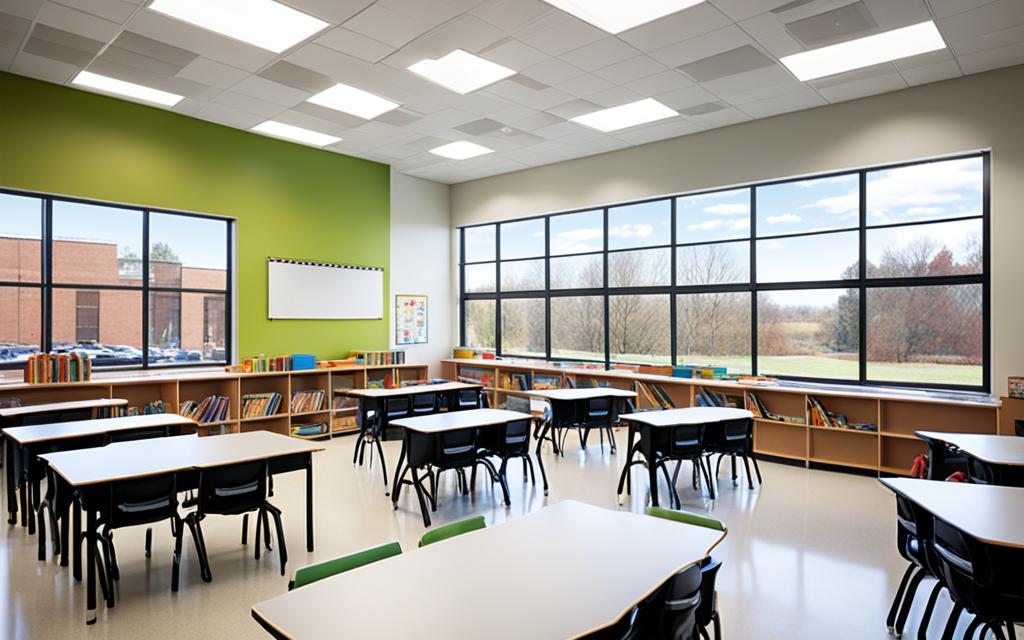
The image above showcases the integration of skylights in an educational facility, allowing for an optimal amount of natural light to illuminate the learning space.
| Educational Facility Daylighting Design | Educational Facility Skylights | |||||
|---|---|---|---|---|---|---|
| Benefits | Enhanced learning environment | Improved concentration and focus | Positive impact on academic performance | Maximized natural light | Creation of a connection to the outdoors | Improved student engagement and motivation |
| Considerations | Optimal placement of skylights | Diffusion, control, and distribution of natural light | Integrating with other daylighting strategies | Balancing natural light with classroom needs | ||
| Impact | Higher academic achievement | Improved cognitive functions | Enhanced student well-being | Increased student engagement | Positive learning experience | Optimized learning outcomes |
Table: Key aspects of educational facility daylighting design and educational facility skylights.
The HEAD Project study and related research highlight the importance of incorporating skylights and maximizing natural light in educational facilities. By leveraging evidence-based design principles and prioritizing educational facility daylighting design, schools can create an environment that fosters students’ academic success, wellbeing, and overall growth.
Strategies for Integrating Skylights in School Architecture
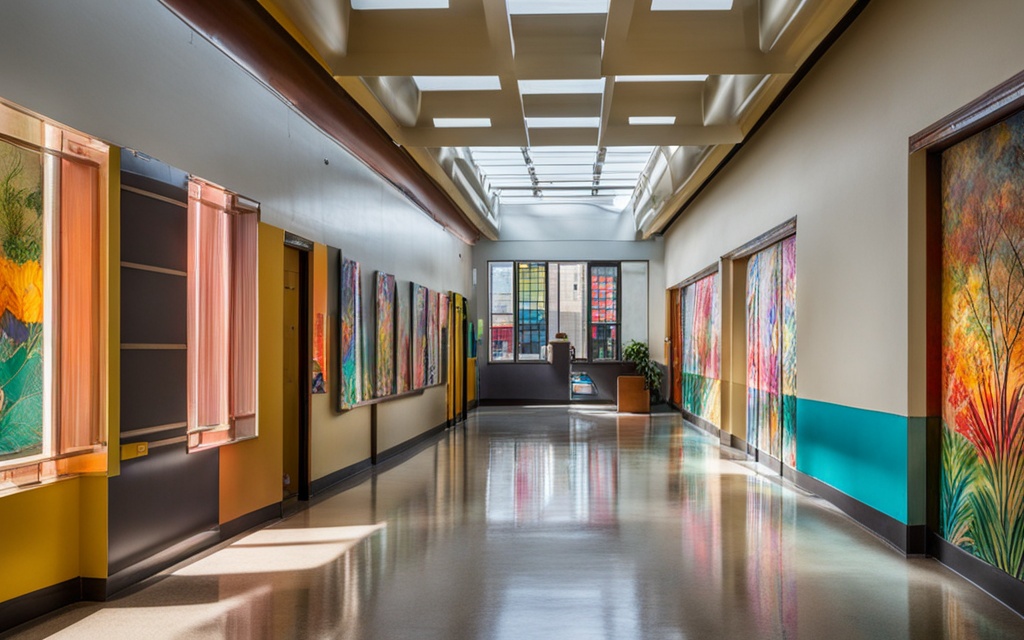
Integrating skylights into school architecture requires careful planning and implementation. Architects and designers can adopt various strategies to effectively integrate skylights into school buildings. These strategies may include:
- Assessing the building’s orientation, size, and structure to determine the optimal placement of skylights.
- Considering the integration of other daylighting solutions, such as windows and solar tubes, to complement the skylight design.
- Collaborating with stakeholders, including teachers, students, and administrators, to understand their specific needs and preferences.
- Utilizing advanced glazing technologies and materials that provide optimal light transmission while reducing heat gain and glare.
- Designing skylights with automated shading systems to allow for control over the amount of light entering the space, enhancing the learning environment.
By following these strategies, schools can maximize the benefits of skylights and create a well-designed learning environment that promotes student engagement and enhances overall academic performance.
Facilitating Sustainable and Energy-Efficient School Environments
Skylight design in educational facilities not only enhances learning spaces but also contributes to sustainability and energy efficiency. By reducing reliance on artificial lighting and maximizing the use of natural light, skylights can significantly reduce energy consumption in schools. This leads to cost savings and environmental benefits by decreasing the carbon footprint of educational facilities. Implementing sustainable skylight designs and energy-efficient solutions in schools aligns with the principles of environmental stewardship and promotes a greener future.
Reducing Reliance on Artificial Lighting with Skylight Applications
One of the key benefits of sustainable skylight designs for schools is the reduction in reliance on artificial lighting. Traditional lighting systems consume significant amounts of energy, contributing to higher electricity bills and increased carbon emissions. By incorporating skylights that provide ample natural light, schools can rely less on artificial lighting during daylight hours, leading to substantial energy savings.
Skylights allow natural light to penetrate deep into the building, brightening up even the most interior spaces. This not only reduces the need for artificial lighting but also creates a more inviting and comfortable learning environment. Students and teachers can enjoy the benefits of natural light, which has been shown to enhance mood, reduce eye strain, and improve overall well-being.
Energy Savings and Environmental Benefits of Natural Light in Schools
Energy savings and environmental benefits are significant factors when considering sustainable skylight designs for schools. By reducing energy consumption through the use of natural light, schools can lower their operating costs and allocate resources towards other educational priorities.
In addition to cost savings, sustainable skylight designs contribute to environmental sustainability. By reducing the demand for artificial lighting, schools can reduce their carbon footprint and lessen their impact on the environment. This aligns with the principles of environmental stewardship and demonstrates a commitment to creating a greener future.
Furthermore, the increased use of natural light in schools can positively impact students’ education by fostering a connection to the outdoors and creating a more vibrant and stimulating learning environment. Natural light has been shown to improve focus, attention, and overall academic performance, benefiting both students and educators.
By embracing sustainable skylight designs and energy-efficient solutions, schools can create environmentally friendly and economically sound educational environments that prioritize the well-being of students while minimizing their impact on the planet.
Key Considerations in Selecting Skylight Features for Schools
When designing educational facility skylights, architects and designers need to consider several key factors. These considerations are crucial in ensuring that skylight selection is optimized for the unique needs of schools.
Designing with Diffusion, Control, and Distribution in Mind
One important consideration is to design skylights with diffusion, control, and distribution in mind. This means that architects should aim to evenly spread natural light throughout the space, minimizing glare and maximizing illumination. Diffusion techniques, such as using frosted or textured glass, can help soften the light and prevent harsh glare. Additionally, incorporating shades or blinds can provide control over the intensity of light, allowing users to adjust the brightness according to their needs.
Another aspect to consider is the distribution of natural light. By strategically placing skylights in different areas of the educational facility, architects can ensure that every corner of the space receives adequate daylight. This helps create a well-lit environment that promotes a sense of openness and connectivity with the outdoors.
Utilizing Roof Monitors and Light Shelves for Optimal Illumination
To further enhance the benefits of skylights, architects can utilize roof monitors and light shelves. Roof monitors are vertical structures with windows on multiple sides that rise above the roofline, allowing for increased levels of natural light to enter the building. These architectural elements act as light collectors, capturing daylight from different angles and directing it into the educational facility.
Light shelves are horizontal surfaces installed inside or outside the building, usually above windows or doors. They serve a dual purpose of shading the space from direct sunlight while reflecting and redirecting natural light deeper into the room. By bouncing light off the light shelves, architects can ensure optimal daylight penetration and distribution, creating well-lit and comfortable learning environments.
| Consideration | Description |
|---|---|
| Diffusion, Control, and Distribution | Design skylights to evenly spread natural light, minimize glare, and maximize illumination. Incorporate diffusion techniques and control options like shades or blinds. |
| Roof Monitors | Utilize roof monitors to capture daylight from different angles and direct it into the building, enhancing the overall illumination. |
| Light Shelves | Implement light shelves to shade the space from direct sunlight and reflect natural light deeper into the room, optimizing daylight penetration and distribution. |
Exploring Innovations in Educational Facility Skylight Design
Skylight design in educational facilities continues to evolve, with constant innovations in both aesthetics and functionality. Architects and designers are pushing the boundaries of skylight design to create visually appealing and highly functional daylight solutions for schools. These innovations enhance learning spaces and contribute to an inspiring educational environment. Real-world applications and success stories showcase the positive impact of well-designed skylights in schools.
Incorporating Aesthetics and Functionality in Daylight Solutions
Innovative skylight design in educational facilities goes beyond simple functionality. Architects are incorporating aesthetics to create visually stunning and unique skylights that enhance the overall look and feel of the learning spaces. By carefully selecting materials, shapes, and sizes, skylights can become architectural focal points, adding beauty and style to educational buildings while also providing ample natural light.
Functionality is equally important when it comes to skylight design in schools. Today’s skylights are created with advanced technology and features that ensure optimal performance. For example, motorized shades or blinds can be integrated into skylight systems to allow for precise control of natural light and reduce glare. Similarly, energy-efficient glazing options and insulation techniques help maintain comfortable interior temperatures and reduce energy consumption. By combining aesthetics and functionality, innovative skylight solutions are transforming educational facilities into inspiring and sustainable learning environments.
Showcasing Real-world Applications and Success Stories in School Skylight Design
Real-world applications of skylights in educational facilities demonstrate the transformative power of innovative design. Schools across the world have implemented skylight solutions to enhance their learning spaces and provide students with an optimized educational experience.
“Installing skylights in our school has completely transformed the atmosphere. The increase in natural light has improved our students’ focus, mood, and overall performance. It’s truly remarkable to see the difference it has made!” – Principal Smith, ABC Elementary School
“Our newly designed skylights have not only brightened up our classrooms but have also inspired creativity among our students. The addition of natural light has created a more welcoming and productive learning environment.” – Architect Johnson, XYZ High School
These success stories illustrate the benefits of innovative skylight design in educational facilities. By harnessing the power of natural light, schools can create vibrant and engaging learning spaces that foster student growth, academic excellence, and overall wellbeing.
The Architectural Art of Balancing Natural Light with Classroom Needs
When designing skylights for educational facilities, architects must carefully consider the balance between natural light and the specific needs of the classroom environment. This architectural art requires thoughtful deliberation to ensure optimal utilization of natural light without causing discomfort or distractions for both students and teachers.
Several key architectural design considerations come into play when incorporating skylights into classrooms. One crucial factor is the size of the classroom. By assessing the size and layout of the space, architects can determine the appropriate number and size of skylights needed to provide sufficient natural light.
Additionally, architects should consider the specific layout of the classroom. The placement of desks, shelves, and other furniture should be carefully considered to avoid obstructing the flow of natural light from the skylights. This ensures that the natural light spreads evenly throughout the space, creating a well-lit and comfortable learning environment.
The architectural art of balancing natural light also takes into account the orientation of the classroom within the building. By assessing the building’s orientation, architects can strategically position skylights to maximize the amount and quality of natural light entering the classroom.
Furthermore, architects must consider the potential impact of direct sunlight on the classroom. While natural light is beneficial, excessive glare can create discomfort and hinder learning. The strategic placement of skylights, the incorporation of shading devices, and the use of diffusing materials can help control and reduce glare, ensuring a conducive learning environment.
“The architectural art of balancing natural light in educational facilities involves considering factors such as classroom size, layout, orientation, and glare control. By carefully integrating skylights into classrooms, architects can create an optimal learning environment that harnesses the benefits of natural light.”
In conclusion, the architectural design considerations for skylights in educational facilities involve striking a delicate balance between natural light and classroom needs. By taking into account factors such as classroom size, layout, orientation, and glare control, architects can create well-designed spaces that maximize the benefits of natural light while ensuring a comfortable and productive learning environment.
Expanding Visions: Skylights as Gateways to a Brighter Educational Future
Skylights have the potential to revolutionize learning spaces and create a brighter educational future. By incorporating skylights into educational facilities, architects and designers can transform traditional classrooms into inspiring environments that foster student engagement, well-being, and academic success.
The design of educational facilities plays a crucial role in shaping the learning experience. By harnessing the power of natural light, skylights enhance the overall educational environment. They flood classrooms with natural sunlight, creating a warm and inviting atmosphere that promotes a positive mindset and stimulates active learning.
Furthermore, skylights symbolize a commitment to providing students with the best possible learning environments. By embracing skylights, educational institutions demonstrate their dedication to the well-being and success of their students. Skylights offer a gateway to the future, where learning is elevated through the seamless integration of architecture and nature.