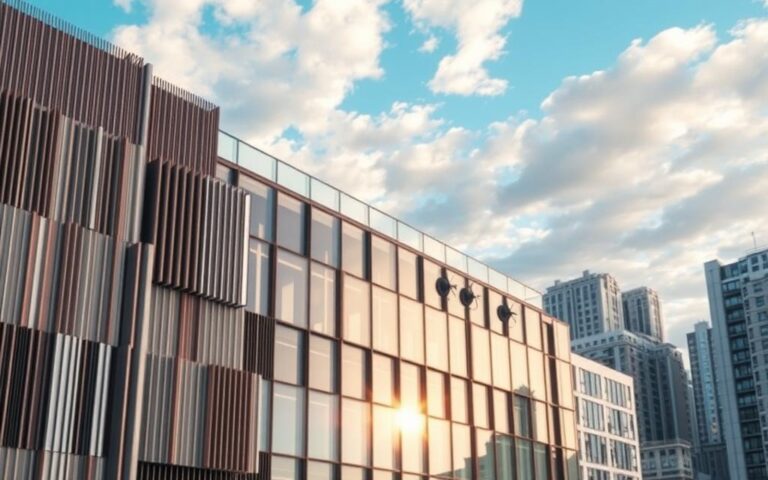
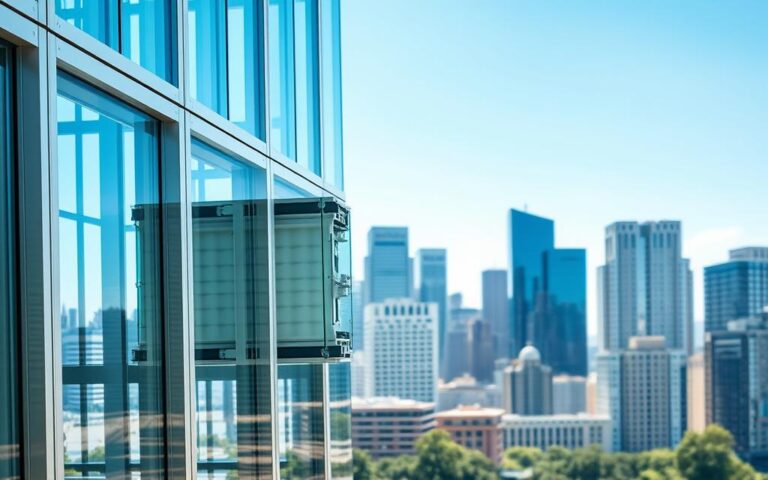
Modern architecture does more than just look good; it acts as a vital shield for sensitive technology. When we design a Data Center, the building envelope serves as the first line of defense against harsh outdoor climates. By choosing the right materials, architects can maintain stable internal temperatures while reducing the load on cooling systems.
A critical factor in this process is the U-value of the exterior walls. This measurement helps engineers understand how well a structure prevents heat transfer. When you optimize the U-value, you directly improve the overall Energy performance of the facility. This smart approach ensures that your infrastructure remains reliable and cost-effective over time.
Focusing on high-performance materials also supports long-term Sustainability goals. By minimizing waste and maximizing thermal control, owners can lower their carbon footprint significantly. Integrating these structural choices is essential for any Data Center aiming to balance high-tech needs with environmental Sustainability and Energy efficiency.
Key Takeaways
- The building envelope acts as the primary barrier for climate control.
- Proper material selection reduces the burden on mechanical cooling systems.
- Thermal performance metrics are essential for modern facility design.
- Smart structural choices lead to lower operational costs over time.
- High-performance facades support broader environmental and green goals.
Understanding Data Centers and Their Energy Needs
To understand the future of sustainable building, we must first look at the heartbeat of our digital world: the data center. These facilities serve as the backbone of the modern internet, housing the servers and storage systems that keep our global economy running.
Because these systems operate 24/7, they require a constant and reliable supply of electricity. Managing data center energy effectively is the primary challenge for facility managers today.
What is a Data Center?
A data center is a specialized building designed to house high-density computing equipment. These spaces are filled with rows of servers, networking hardware, and data storage drives that process information for businesses and individuals alike.
Think of them as the digital warehouses of the 21st century. They provide the physical environment necessary to keep sensitive technology cool, secure, and connected to the power grid at all times.
Importance of Energy Efficiency
Energy efficiency is no longer just a way to save money on utility bills. It has become a critical necessity for the long-term viability of our digital infrastructure.
As the demand for cloud computing and artificial intelligence grows, so does the strain on our power grids. Improving data center energy usage helps companies reduce their carbon footprint while ensuring that these vital services remain affordable and reliable for everyone.
Common Energy Consumption Sources
Understanding where power goes is the first step toward better design. While the servers themselves use a significant portion of electricity, they are not the only contributors to the total load.
The following systems are the primary drivers of energy consumption in a typical facility:
- Cooling Systems: Large-scale air conditioning and liquid cooling are required to prevent hardware from overheating.
- IT Equipment: The servers, switches, and storage arrays that perform the actual computing tasks.
- Power Distribution: Transformers, uninterruptible power supplies (UPS), and backup generators that ensure constant uptime.
- Lighting and Security: Essential building services that contribute to the overall data center energy profile.
By focusing on these specific areas, engineers can implement smarter designs that lower operational costs. Strategic planning regarding the building envelope is a key part of this efficiency puzzle.
The Impact of U-Value on Building Design
Achieving peak performance in modern data centers starts with understanding the thermal properties of the building envelope. Architects must carefully evaluate how different materials interact with the environment to ensure optimal facade performance. By focusing on these technical details, designers can create facilities that remain stable regardless of external weather shifts.
Defining U-Value and Its Significance
The U-value, or thermal transmittance, measures how well a building element conducts heat. It represents the rate of heat transfer through a structure, such as a wall or window, divided by the difference in temperature across that structure. A lower U-value indicates superior insulation, which is vital for high-tech facilities.
When engineers discuss Energy & U-value, they are looking at the total resistance to heat flow. This metric is the gold standard for evaluating the efficiency of building materials. High-quality designs prioritize low U-values to minimize the energy required for climate control.
How U-Value Affects Energy Loss
Data centers house sensitive server equipment that requires precise temperature regulation. If a building has a high U-value, heat enters easily during the summer and escapes during the winter. This constant fluctuation forces cooling systems to work harder, leading to higher operational costs.
By selecting materials with low thermal transmittance, designers can achieve better facade performance. This approach provides several key benefits for facility managers:
- Reduced cooling loads during peak summer months.
- Improved internal temperature stability for sensitive hardware.
- Lower overall electricity consumption for HVAC systems.
Calculating U-Value in Facade Design
Calculating the U-value happens during the early stages of architectural planning. Engineers use specific formulas that account for the thermal conductivity of each material layer within the wall assembly. This mathematical approach ensures that the final design meets strict Energy & U-value requirements before construction begins.
The calculation process typically involves summing the thermal resistance of every component, including insulation, air gaps, and structural supports. Precision is essential here, as even small errors can lead to significant energy leaks. By modeling these values early, teams can adjust their material choices to reach the desired efficiency targets.
The Relationship Between Facades and Energy Efficiency
High-performance facades serve as the first line of defense in maintaining stable conditions for critical IT infrastructure. By acting as a thermal barrier, the building envelope dictates how much work the mechanical cooling systems must perform to prevent hardware overheating. Strategic design choices directly influence the total data center energy footprint of a facility.
How Facades Influence Energy Consumption
The exterior skin of a building manages the transfer of heat between the outside environment and the server rooms. When a facade lacks proper insulation, solar heat gain forces cooling units to run at higher capacities. This constant demand significantly increases electricity usage and operational costs.
Effective management of this heat transfer is essential for maintaining thermal efficiency. By reducing the amount of heat that penetrates the building, operators can lower the strain on HVAC systems. This approach ensures that cooling resources are used only when absolutely necessary.
Designing Facades for Optimal Energy Use
Architects now prioritize materials that balance light transmission with heat rejection. Incorporating natural ventilation strategies allows facilities to utilize cooler outside air during specific times of the year. This method, often called “free cooling,” drastically cuts down on the reliance on energy-intensive chillers.
Designers also focus on the orientation of the building to minimize direct sun exposure on glass surfaces. Using shading devices or high-performance glazing helps maintain a consistent internal climate. These design choices are vital for long-term sustainability and cost reduction.
Examples of Energy-Efficient Facades
Several modern facilities have adopted innovative facade technologies to improve their performance. For instance, double-skin facades create a buffer zone that traps heat before it reaches the interior. This layer acts as a thermal blanket, keeping the server environment stable regardless of external weather fluctuations.
- Dynamic Shading: Automated louvers that adjust based on sun position.
- Green Walls: Vegetation that provides natural insulation and cooling through transpiration.
- Reflective Coatings: Specialized finishes that bounce solar radiation away from the building.
| Facade Strategy | Primary Benefit | Energy Impact |
|---|---|---|
| Double-Skin Facade | Thermal Insulation | High Reduction |
| Automated Louvers | Solar Gain Control | Moderate Reduction |
| High-Performance Glazing | Light/Heat Balance | Significant Reduction |
Materials Matter: Choosing the Right Facade
Modern data center design requires a careful balance between structural integrity and environmental responsibility. The exterior shell serves as the primary barrier against external weather conditions, directly influencing the internal climate control requirements. By selecting the right materials, engineers can significantly improve the thermal efficiency of the entire building envelope.
Common Facade Materials and Their Benefits
Construction teams often evaluate a variety of materials to meet the specific needs of high-density server environments. Traditional options like high-thermal-mass concrete provide excellent durability and fire resistance, which are essential for protecting sensitive hardware. Conversely, lightweight composite panels offer rapid installation and flexible design possibilities.
- Concrete: Offers superior thermal mass and natural fire protection.
- Composite Panels: Provide lightweight, modular solutions for faster construction.
- Metal Cladding: Delivers high durability and low maintenance requirements.
Sustainable Material Options
Reducing the embodied carbon of a facility is a top priority for modern developers. Choosing materials with lower environmental impact helps organizations meet their sustainability goals without compromising on performance. Many architects now prioritize recycled steel and bio-based insulation to lower the total carbon footprint of the structure.
“The most sustainable building is the one that is already built, but for new construction, we must prioritize materials that offer longevity and minimal environmental impact.”
Innovations in Facade Materials
The industry is currently seeing a shift toward smart materials that adapt to changing weather patterns. These innovations aim to maximize thermal efficiency by adjusting light transmission or heat absorption throughout the day. Furthermore, new fire-rated materials are being developed to ensure that sustainability does not come at the cost of safety.
These advanced materials allow data centers to maintain stable internal temperatures with less reliance on active cooling systems. As technology evolves, the integration of these high-performance materials will become standard practice for future-proof facilities. Investing in these solutions today ensures that infrastructure remains resilient for decades to come.
Passive vs. Active Energy Solutions
Achieving peak performance in data center energy management requires a thoughtful blend of static and dynamic systems. Designers must decide how much of the building’s climate control should rely on its physical structure versus mechanical intervention. By understanding these two distinct paths, you can create a facility that remains resilient throughout the year.
What Are Passive Energy Solutions?
Passive strategies focus on the building envelope to minimize the need for mechanical cooling. These methods utilize the physical design of the facade to block unwanted solar heat gain while allowing natural light to enter. High-performance glazing and fixed shading devices are common examples that reduce the initial cooling load on the building.
By optimizing the orientation and thermal mass of the structure, you can keep internal temperatures stable without using extra electricity. This approach is essential for long-term sustainability in any data center energy strategy. It effectively lowers the baseline demand before any active systems even turn on.
Active Solutions in Data Center Design
Active systems provide the necessary precision to manage fluctuating heat loads generated by server hardware. These mechanical components respond in real-time to environmental changes, ensuring that sensitive equipment stays within safe operating limits. Automated louvers and advanced climate control sensors are key tools in this category.
These systems allow for dynamic adjustments based on current weather conditions or internal server activity. While they require power to operate, their ability to react instantly makes them indispensable for modern data center energy efficiency. They act as the final line of defense against overheating during peak demand periods.
Combining Both Approaches for Efficiency
A hybrid approach often yields the best results for complex environments. By using passive design to handle the bulk of the thermal load, you allow active systems to focus on fine-tuning the internal climate. This synergy creates a robust framework that maximizes data center energy savings while maintaining high reliability.
Designers who balance these methodologies ensure that their facilities remain efficient regardless of seasonal shifts. The following table highlights the core differences and benefits of these two approaches:
| Feature | Passive Solutions | Active Solutions |
|---|---|---|
| Primary Goal | Load Reduction | Precision Control |
| Energy Usage | Zero or Minimal | Moderate to High |
| Maintenance | Low Requirements | Regular Inspections |
| Responsiveness | Static/Fixed | Dynamic/Automated |
The Role of Technology in Facade Design
Modern architecture is moving toward intelligent building envelopes that actively respond to their surroundings. By integrating advanced digital systems, architects can now create responsive facades that adapt to changing environmental conditions in real-time. This shift is essential for maximizing facade performance in high-density data center environments.
Smart Facades and Energy Management
One of the most exciting developments is the use of dynamic glass technology. This material automatically adjusts its tint based on the intensity of incoming sunlight. By reducing solar heat gain during peak hours, these systems significantly lower the cooling load required for sensitive server equipment.
Smart facades act as a protective layer that balances natural light with thermal control. This intelligent management ensures that the interior environment remains stable without constant reliance on mechanical cooling. Consequently, facilities can achieve a much higher level of energy efficiency throughout the year.
Automation in Building Systems
Automation systems now communicate directly with building management software to optimize internal conditions. These sensors monitor temperature, humidity, and occupancy levels to make micro-adjustments to the building envelope. This level of precision is vital for maintaining facade performance while protecting expensive hardware.
When the system detects a rise in external temperature, it can trigger automated shading or ventilation louvers. This seamless integration allows the building to “breathe” in response to the climate. By removing human error from the equation, automated systems ensure that energy usage remains at an absolute minimum.
Integrating Renewable Energy Sources
Facades are no longer just passive barriers; they are now active platforms for energy generation. Building-integrated photovoltaics (BIPV) allow the exterior skin of a data center to capture solar energy directly. This turns the building into a power plant that contributes to its own operational needs.
Integrating these technologies requires careful planning to ensure they do not compromise the structural integrity of the facility. When implemented correctly, BIPV systems provide a sustainable way to offset the high energy demands of modern data centers. This approach is a major step forward in improving overall facade performance and long-term sustainability.
| Technology Type | Primary Benefit | Energy Impact | Maintenance Level |
|---|---|---|---|
| Dynamic Glass | Solar Heat Control | High Reduction | Moderate |
| BIPV Panels | Energy Generation | High Output | Low |
| Automated Louvers | Natural Ventilation | Moderate Reduction | High |
Addressing Climate and Environmental Factors
Every geographic location presents unique challenges that dictate how a building should breathe and perform. When planning a data center, engineers must look beyond the blueprints and consider the specific weather patterns of the site. Ignoring these local nuances often leads to wasted energy and higher operational costs.
Adapting Facades to Local Climates
A facility built in the humid climate of Florida requires a vastly different approach than one located in the arid deserts of Nevada. High humidity levels demand specialized moisture barriers to prevent internal condensation. Conversely, desert locations prioritize shading devices to block intense solar radiation.
By customizing the facade to the local environment, operators ensure that the building works with nature rather than against it. This proactive strategy keeps the internal server environment stable and secure. Site-specific design is the foundation of a resilient data center.
Reducing Heat Gain and Loss
Maintaining consistent internal temperatures is a constant battle for data center managers. High thermal efficiency acts as a primary defense against external temperature swings. By utilizing advanced glazing and insulated panels, designers can effectively minimize unwanted heat transfer.
These materials act as a thermal blanket for the building. They keep the cool air inside during hot summers and prevent heat from escaping during freezing winters. Improving thermal efficiency directly lowers the load on cooling systems, which saves significant amounts of electricity.
Enhancing Sustainability Through Design
True sustainability is achieved when a building minimizes its environmental footprint over its entire lifespan. Thoughtful facade design reduces the need for artificial climate control, which is a major win for the planet. It also extends the life of the building components by protecting them from harsh weather elements.
Investing in high-quality, durable materials ensures that the facility remains efficient for decades. This commitment to sustainability reflects a forward-thinking approach to infrastructure. When we design with the environment in mind, we create data centers that are both powerful and responsible.
Case Studies of Efficient Data Center Designs
Real-world projects offer the best blueprint for understanding how facade design impacts energy efficiency. By examining high-profile infrastructure, we can see how theoretical concepts translate into tangible performance gains. These projects demonstrate that a well-engineered Data Center is more than just a box for servers.
Notable Examples in the Industry
Google’s facility in Hamina, Finland, stands out for its innovative use of seawater cooling combined with a highly insulated building envelope. This Data Center utilizes the cold climate to reduce mechanical cooling needs significantly. Similarly, the Switch Citadel campus in Nevada employs advanced concrete walls and specialized roofing to minimize thermal gain in a harsh desert environment.
Lessons Learned from Design Choices
The primary takeaway from these projects is that material selection must align with the local climate. Using high-thermal-mass materials helps stabilize internal temperatures, which reduces the load on cooling systems. Integration is another critical factor; when the facade works in tandem with the mechanical systems, the entire Data Center operates with much higher efficiency.
- Prioritize high-performance insulation to prevent heat transfer.
- Use reflective materials in hot climates to lower cooling costs.
- Ensure airtight construction to maintain internal environmental control.
Future Trends in Data Center Design
Looking ahead, we expect to see more adaptive facade systems that react to real-time weather data. These dynamic skins will adjust their opacity or ventilation levels to optimize energy use automatically. As the Data Center industry grows, these smart designs will become the standard for sustainable infrastructure.
| Design Strategy | Primary Benefit | Best Climate |
|---|---|---|
| High Thermal Mass | Temperature Stability | Arid/Desert |
| Dynamic Glazing | Solar Gain Control | Temperate |
| Natural Ventilation | Reduced Fan Usage | Cool/Coastal |
| Reflective Cladding | Heat Rejection | Tropical |
Regulations and Standards Governing Energy Efficiency
Strict energy mandates are reshaping how we design and operate industrial buildings today. As the demand for digital infrastructure grows, developers must navigate a complex web of local and federal requirements. Managing data center energy consumption is no longer just a best practice; it is a legal necessity.
Overview of Energy Efficiency Regulations
Most jurisdictions now enforce strict building codes that dictate thermal performance and power usage. Standards like ASHRAE 90.1 provide a baseline for energy-efficient design in commercial facilities. These rules ensure that new projects minimize waste through better insulation and smart climate control.
Compliance often involves meeting specific targets for the building envelope. By focusing on the facade, engineers can significantly lower the cooling load required to maintain server health. Adhering to these standards helps firms avoid penalties while optimizing data center energy performance.
LEED Certification for Data Centers
Leadership in Energy and Environmental Design (LEED) remains the gold standard for sustainable construction. This certification program encourages developers to go beyond basic code requirements. It rewards projects that prioritize resource efficiency and environmental impact.
- Energy and Atmosphere: Earning credits by reducing overall power demand.
- Materials and Resources: Selecting sustainable facade components that last longer.
- Indoor Environmental Quality: Improving air circulation and thermal comfort for hardware.
Achieving LEED status signals a commitment to long-term sustainability. It also helps companies attract investors who prioritize green initiatives in their portfolios.
The Importance of Compliance
Meeting regulatory requirements is essential for the longevity of any facility. Beyond avoiding fines, compliance ensures that your infrastructure remains competitive in a changing market. Proper documentation of data center energy usage provides a clear roadmap for future upgrades.
“Sustainability is not just a trend; it is the foundation of resilient infrastructure that stands the test of time.”
Ultimately, proactive compliance allows developers to align their projects with corporate social responsibility goals. By integrating these standards early in the design phase, you create a more efficient and future-proof facility.
The Importance of Ongoing Maintenance
Achieving peak energy efficiency in a data center is a journey that continues long after the construction phase ends. While initial design choices are vital, the actual facade performance depends on how well the building is managed throughout its entire lifecycle. Consistent oversight ensures that your facility remains as efficient as the day it opened.
Regular Inspections and Their Benefits
Routine check-ups are the best way to protect your investment. Over time, environmental stressors can compromise the building envelope, leading to hidden energy losses. By performing proactive inspections, facility managers can identify issues before they escalate into costly repairs.
Key areas to monitor during your regular maintenance schedule include:
- Air leaks around window seals and door frames.
- Thermal bridges where insulation may have settled or shifted.
- Material degradation caused by UV exposure or moisture buildup.
Upgrading Facades Over Time
Technology in the data center industry moves at a rapid pace. As cooling requirements change and new materials become available, you should consider planned upgrades to maintain your competitive edge. Improving your facade performance through retrofitting can significantly lower your long-term operational costs.
Strategic upgrades allow you to integrate modern, high-efficiency materials without needing a full building overhaul. This approach keeps your facility aligned with current sustainability standards. Planning ahead ensures that your infrastructure remains resilient against rising energy prices and stricter environmental regulations.
Ensuring Longevity and Efficiency
A well-maintained exterior is the foundation of a sustainable data center. When you prioritize the health of your building envelope, you protect the sensitive hardware housed inside. This commitment to facade performance directly translates into lower power usage effectiveness (PUE) scores.
Ultimately, consistent maintenance is not just a chore; it is a smart business strategy. By staying vigilant, you ensure that your facility continues to operate at its highest potential for years to come. Reliability and efficiency are the hallmarks of a truly successful data center design.
Energy Monitoring and Management Systems
Managing energy consumption effectively starts with knowing exactly how your building behaves in real-time. Facility managers now have access to sophisticated digital tools that provide a clear window into the operational health of their infrastructure. By leveraging these systems, teams can move beyond guesswork and embrace a strategy rooted in hard data.
Tools for Tracking Energy Usage
Modern data centers utilize a combination of IoT sensors and Building Management Systems (BMS) to track power flow. These tools capture granular data points across the entire facility, from server racks to the outer shell. Advanced software platforms aggregate this information, allowing managers to visualize consumption patterns with high precision.
By integrating these digital solutions, operators can track how specific environmental conditions impact the building. This visibility is essential for maintaining a stable internal climate while reducing unnecessary power draw. Consistency in data collection serves as the foundation for any successful optimization strategy.
Benefits of Real-time Monitoring
Real-time monitoring offers immediate feedback on how the facade performs under varying load conditions. This allows managers to analyze the relationship between Energy & U-value, ensuring that the building envelope remains a protective barrier rather than a source of loss. When you see the data as it happens, you can make adjustments before small issues become costly problems.
“You cannot manage what you do not measure, and you cannot improve what you do not understand.”
This proactive approach helps maintain high levels of thermal efficiency throughout the year. By identifying spikes in energy use, teams can correlate facade performance with external weather shifts. This insight is vital for long-term operational success.
Identifying Areas for Improvement
Data-driven insights allow for continuous optimization of the building envelope. By reviewing historical trends, managers can pinpoint exactly where thermal efficiency is compromised. Whether it is a localized heat gain issue or a failure in insulation, the data points the way toward effective repairs.
Focusing on the Energy & U-value of specific facade sections helps prioritize maintenance budgets. Instead of broad, expensive upgrades, you can target the exact areas that require attention. This surgical approach saves money and keeps the data center running at its peak potential.
Future Trends in Data Center Efficiency and Sustainability
The landscape of modern infrastructure is shifting toward smarter, more responsive building envelopes. Architects and engineers now look beyond basic insulation to create structures that actively adapt to their surroundings.
Innovations on the Horizon
New developments in materials science promise to revolutionize how a Data Center manages thermal loads. Self-healing coatings and phase-change materials will soon allow facades to regulate internal temperatures without heavy reliance on mechanical cooling systems.
Predicting Energy Needs of Future Data Centers
Artificial intelligence will play a critical role in forecasting power demands before they peak. By analyzing weather patterns and server traffic, these systems will adjust facade transparency and ventilation in real time. This proactive approach ensures that every Data Center operates at peak performance while minimizing waste.
The Role of Sustainability in Future Designs
Long-term success depends on prioritizing Sustainability in every blueprint. Investing in high-performance design today protects your assets against rising energy costs and stricter environmental regulations. We invite you to share your thoughts on these emerging technologies or reach out to industry leaders like Schneider Electric to discuss your next project. Building a greener future starts with the choices made at the drawing board.