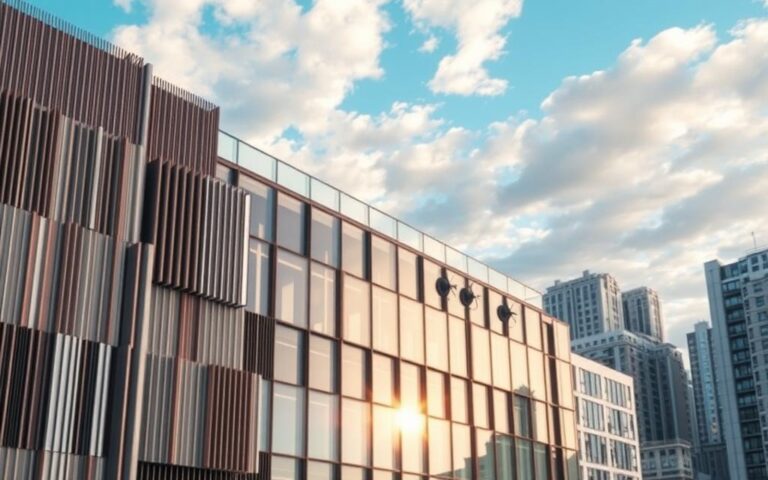
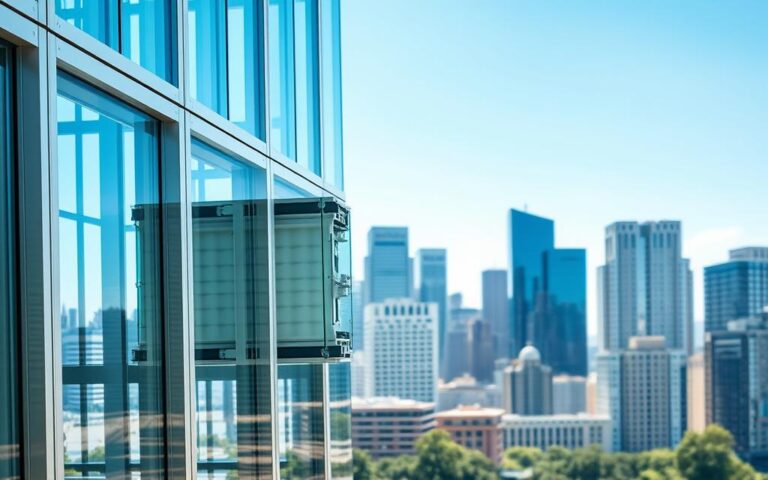
Modern construction projects across the United States demand more than just basic structural support. Today, the building envelope serves as the primary shield against the elements while defining the visual identity of a skyline. Choosing the right facade system manufacturers is a critical decision that impacts your project’s long-term success.
A high-quality partner does more than provide materials; they offer technical expertise and reliable engineering support. When you select a top-tier team, you ensure that your building achieves superior thermal performance and lasting durability. This choice directly influences how your structure ages and performs in diverse climates.
Evaluating these industry leaders requires a clear understanding of their track record and innovation capabilities. By focusing on quality, you protect your investment and enhance the overall value of your development. Finding the best manufacturers ensures that your vision becomes a reality with precision and efficiency.
Key Takeaways
- The building envelope is essential for both structural integrity and aesthetic impact.
- Selecting the right partner ensures long-term performance and energy efficiency.
- Technical expertise is a key differentiator among top industry players.
- Quality materials significantly reduce maintenance costs over the building’s lifespan.
- Evaluating a partner’s track record is vital for project success in the U.S. market.
Understanding Curtain Walls and Their Importance
A Curtain Wall is more than just a glass exterior; it is a sophisticated system that protects the entire building from the elements. These systems serve as the primary skin for many of today’s most iconic structures, bridging the gap between artistic vision and engineering reality.
Definition of Curtain Walls
In technical terms, these are non-structural outer coverings that hang from the building’s frame. Unlike traditional masonry walls, they do not carry the weight of the structure itself.
Instead, curtain wall systems are designed to support only their own weight and the environmental loads imposed upon them. This separation allows architects to create expansive, lightweight facades that would be impossible with load-bearing materials.
Benefits of Using Curtain Walls
The popularity of these systems stems from their ability to solve multiple construction challenges simultaneously. By choosing the right assembly, developers can significantly improve the performance of a building.
Key advantages include:
- Weather Resistance: They provide a robust barrier against wind, rain, and moisture infiltration.
- Thermal Efficiency: Advanced glazing options help maintain stable indoor temperatures, reducing energy costs.
- Visual Identity: The sleek, transparent nature of a Curtain Wall allows for unique aesthetic expressions.
Applications in Modern Architecture
Contemporary commercial architecture relies heavily on these systems to define the urban landscape. From high-rise office towers to glass-enclosed atriums, they offer the flexibility needed for complex designs.
By utilizing curtain wall systems, designers can maximize natural light penetration while ensuring the building remains safe and comfortable. This balance of form and function is exactly why they remain a staple in the United States construction industry today.
Key Qualities of Top Manufacturers
Selecting a top-tier facade manufacturer involves evaluating specific traits that ensure long-term success. Project managers must look past initial bids to find partners who prioritize excellence in every phase of production. By focusing on these core attributes, you can secure a partnership that elevates your building’s performance and visual impact.
Commitment to Innovation
The best companies in the industry never stop evolving. They invest heavily in research and development to create cutting-edge facade products that meet modern architectural demands. This dedication allows them to solve complex design challenges while improving energy efficiency.
When a manufacturer embraces new technology, they provide clients with more flexible and sustainable options. You should look for partners who actively integrate digital modeling and advanced engineering into their workflows. This proactive approach ensures that your project benefits from the latest industry breakthroughs.
Focus on Quality Materials
A reliable facade manufacturer understands that the integrity of a building depends on the components used. They subject their materials to rigorous testing to ensure they can withstand harsh environmental conditions. This commitment to quality prevents costly maintenance issues down the road.
High-performance facade products are the result of strict quality control measures. When vetting a supplier, consider these essential factors:
- Material Durability: Resistance to corrosion, weathering, and structural fatigue.
- Testing Standards: Compliance with international safety and performance benchmarks.
- Sustainability: Use of eco-friendly materials that reduce the overall carbon footprint.
Reputation in the Industry
A proven track record is often the best indicator of future performance. Top-tier firms have a history of delivering high-quality facade products for complex, large-scale projects. Their reputation is built on transparency, reliability, and the ability to meet tight deadlines without compromising quality.
Before finalizing your choice, examine the manufacturer’s portfolio to see how they handle unique architectural requirements. A strong reputation is usually backed by successful collaborations with renowned architects and engineers. Choosing a partner with a solid standing in the market provides peace of mind that your project is in capable hands.
How to Identify Reliable Curtain Wall Suppliers
Navigating the market for building components can feel overwhelming without a solid evaluation plan. When you search for the right suppliers, you are not just buying materials; you are choosing a partner for your building’s structural integrity. A methodical approach helps you filter out inconsistent manufacturers and focus on those who deliver excellence.
Certifications and Industry Standards
Safety and compliance remain the most critical factors in any construction project. You must verify that your chosen suppliers hold valid third-party certifications that align with local building codes in the United States. These credentials serve as proof that the products meet rigorous testing for wind loads, water penetration, and thermal performance.
Always request documentation regarding:
- ASTM International testing standards for material durability.
- AAMA (American Architectural Manufacturers Association) performance ratings.
- ISO certifications for quality management systems.
Customer Reviews and Testimonials
Beyond technical data, the reputation of manufacturers often speaks volumes about their daily operations. Look for feedback that highlights how a company handles challenges during the construction phase. Reliability is often found in the details of how they communicate when unexpected site issues arise.
Consider these steps when reviewing past performance:
- Reach out to previous project managers for direct feedback.
- Look for patterns in reviews regarding delivery timelines and responsiveness.
- Check if the company has a history of long-term collaboration with reputable architecture firms.
Tracking Project Success
A proven track record is the best indicator of future performance. You should analyze the portfolio of potential manufacturers to see if they have successfully completed projects similar in scale and complexity to your own. Successful project delivery involves more than just the final product; it requires precise logistics and coordination.
“The true measure of a partner is not just the quality of the glass and aluminum, but the consistency of their support from the first drawing to the final installation.”
By prioritizing these evaluation criteria, you ensure that your suppliers can meet strict project timelines. Taking the time to vet your partners early will save you from costly delays and safety concerns down the road.
The Role of Customization in Facade Systems
When a building design pushes the boundaries of geometry, the role of a specialized facade manufacturer becomes critical. Standard components often fail to capture the specific aesthetic or structural requirements of high-profile projects. By embracing bespoke engineering, developers can turn complex architectural visions into reality.
Tailored Solutions for Unique Needs
Every building site presents its own set of environmental and structural challenges. A skilled team provides tailored solutions that address specific wind loads, thermal performance, and geometric curves. These custom facade products ensure that the building envelope performs reliably while maintaining the designer’s original intent.
Importance of Collaboration with Architects
Success in modern construction relies on a seamless partnership between the design team and the production facility. Early collaboration allows engineers to refine details before manufacturing begins, which prevents costly delays. This synergy ensures that the final installation aligns perfectly with the building’s structural framework.
- Early design reviews to identify potential technical hurdles.
- Material testing to ensure durability in specific climates.
- Prototyping to verify the visual impact of custom finishes.
Examples of Successful Custom Projects
Many iconic structures across the United States demonstrate the power of custom engineering. For instance, projects like the Seattle Central Library utilized unique glass and steel configurations to achieve its striking, angular appearance. These projects prove that working with a dedicated facade manufacturer allows for creative freedom without sacrificing safety or efficiency.
| Feature | Standard Systems | Custom Facade Products |
|---|---|---|
| Design Flexibility | Limited to catalog options | Unlimited geometric potential |
| Lead Time | Short and predictable | Extended due to engineering |
| Performance | General industry standards | Optimized for specific site needs |
| Cost Efficiency | Lower initial investment | Higher value through longevity |
The Manufacturing Process Explained
Understanding how facade components are built provides insight into their long-term reliability and performance. The creation of high-quality curtain wall systems involves a complex sequence of engineering steps designed to ensure structural integrity and aesthetic appeal.
Overview of Production Techniques
Modern production facilities utilize advanced technology to transform raw aluminum and glass into precise architectural elements. The process typically begins with high-speed CNC machining, which allows for exact cuts and drilling patterns that manual labor cannot replicate.
Extrusion is another vital technique used to create the complex profiles required for modern building envelopes. Once the profiles are formed, automated assembly lines ensure that gaskets, thermal breaks, and structural components are integrated with extreme accuracy.
Quality Control Measures
Stringent quality control is the cornerstone of producing reliable facade products. Manufacturers implement multi-stage inspections to identify potential defects before they leave the factory floor.
- Structural testing: Verifying that frames can withstand wind loads and seismic activity.
- Weatherproofing checks: Ensuring seals prevent water infiltration and air leakage.
- Surface finish analysis: Confirming that coatings meet durability standards for harsh environments.
By utilizing digital monitoring tools, production teams can track every component throughout the assembly cycle. This level of oversight prevents errors and guarantees that the final product meets all project specifications.
Sustainability Practices in Manufacturing
Today’s leading manufacturers prioritize environmental responsibility alongside performance. Reducing waste during the extrusion process is a primary goal, often achieved by recycling aluminum scraps directly back into the production stream.
Furthermore, many companies now source eco-friendly materials that lower the overall carbon footprint of their curtain wall systems. By choosing suppliers who emphasize sustainable innovation, architects can ensure their projects contribute to greener urban environments while maintaining high-quality standards for all facade products.
Technologies Transforming Curtain Wall Production
Technology is rapidly redefining the standards for facade engineering and construction. Modern builders now rely on digital precision to ensure that every Curtain Wall meets the highest performance criteria. These advancements allow for greater design freedom while maintaining structural integrity.
Use of Advanced Materials
Engineers are moving beyond standard aluminum and glass to incorporate high-performance composites. Materials like carbon fiber and specialized alloys provide unmatched strength while reducing the overall weight of the building envelope. This shift allows for thinner profiles that do not sacrifice durability or safety.
Implementation of Smart Technology
The integration of smart glass is a game-changer for the modern Curtain Wall. These systems use automated sensors to adjust tint levels based on sunlight intensity in real time. By responding to environmental conditions, these facades create a more comfortable interior climate for occupants without manual intervention.
Innovations in Energy Efficiency
New manufacturing techniques focus heavily on reducing thermal bridging to improve insulation. By utilizing advanced thermal breaks and dynamic insulation layers, a Curtain Wall can significantly lower a building’s carbon footprint. These innovations ensure that structures remain energy-efficient throughout their entire lifecycle.
| Technology Type | Primary Benefit | Impact on Performance |
|---|---|---|
| Smart Glass | Adaptive Tinting | High Energy Savings |
| Carbon Composites | Weight Reduction | Enhanced Structural Load |
| Thermal Breaks | Heat Retention | Improved Climate Control |
Adopting these cutting-edge solutions is essential for any project aiming for sustainability. As the industry evolves, the Curtain Wall will continue to serve as a vital component in creating smarter, greener cities.
Cost Considerations When Choosing Suppliers
When planning a new building, the financial strategy for your exterior envelope is just as important as the design itself. Managing the budget for curtain wall systems requires a clear understanding of both immediate expenses and the long-term value provided by your choices.
Budgeting for Curtain Wall Systems
Creating a realistic budget involves looking beyond the initial price tag of materials. You must account for the complexity of the design, the scale of the project, and the specific performance requirements of the site.
Effective planning helps prevent mid-project financial strain. By setting aside a contingency fund, you can handle unexpected changes without compromising the integrity of your curtain wall systems.
Hidden Costs to Be Aware Of
Many project managers overlook secondary expenses that can quickly inflate a budget. It is vital to vet Suppliers thoroughly to ensure their quotes include all necessary components.
Common hidden costs often include the following factors:
- Complex installation requirements that demand specialized labor.
- Logistics and shipping fees for large-scale glass or metal components.
- Long-term maintenance needs that arise from lower-grade materials.
The Value of Investing in Quality
Choosing reputable Suppliers is often the most effective way to lower your total cost of ownership. While premium materials may require a higher upfront investment, they frequently pay for themselves through improved energy performance and fewer repairs.
High-quality systems provide better insulation, which reduces heating and cooling bills over the building’s lifespan. Investing in durability ensures that your facade remains functional and aesthetically pleasing for decades, ultimately protecting your bottom line.
Building Strong Relationships with Manufacturers
Building a successful facade project requires more than just high-quality materials; it demands a solid partnership. When you align your goals with the right Manufacturers, you create a foundation for efficiency and excellence. A collaborative approach helps prevent common pitfalls and keeps your project moving forward smoothly.
Importance of Communication
Clear and consistent communication serves as the backbone of any successful construction venture. By establishing open channels early, you ensure that all stakeholders remain informed about progress and potential hurdles. Transparency is vital when working with Manufacturers to avoid costly delays or misunderstandings.
- Schedule weekly check-ins to review project milestones.
- Use centralized digital platforms for sharing design updates.
- Define clear points of contact for both the client and the production team.
Establishing Long-Term Partnerships
Viewing your project as a single transaction often limits the potential for innovation. Instead, consider building a long-term relationship with your Manufacturers to gain deeper insights into their production capabilities. This consistency allows these Manufacturers to better understand your specific design language and quality expectations over time.
“Great things in business are never done by one person. They’re done by a team of people.”
How to Negotiate Contracts Effectively
Effective contract negotiation ensures that both parties are fully aligned on deliverables and timelines. You should prioritize clarity regarding quality standards and performance metrics before signing any agreements. When you negotiate with Manufacturers, focus on creating a balanced framework that protects your interests while fostering a cooperative spirit.
Consider these essential elements during your contract discussions:
- Defined Deliverables: List every component and service expected.
- Timeline Milestones: Set realistic dates for production and delivery.
- Quality Benchmarks: Establish clear criteria for inspection and approval.
By investing time in these discussions, you minimize the risk of future disputes. A well-structured contract acts as a roadmap, guiding your Manufacturers toward the successful completion of your vision.
Future Trends in the Curtain Wall Industry
The architectural landscape is shifting toward a greener horizon where every building component serves a greater environmental purpose. Modern design now prioritizes the long-term health of our planet through smarter engineering choices.
Prioritizing Eco-Friendly Materials
Manufacturers are rapidly adopting carbon-neutral materials to meet strict global environmental standards. A high-quality Curtain Wall now acts as a primary tool for reducing a structure’s total carbon footprint. Brands like Kawneer and Schüco lead this charge by integrating recycled aluminum and low-emissivity glass into their production lines.
Adapting to a Changing Climate
Extreme weather patterns force architects to rethink how a building interacts with its surroundings. A resilient Curtain Wall provides the necessary thermal barrier to protect occupants from rising temperatures. These systems are becoming more robust to withstand intense wind loads and shifting environmental pressures.
Looking Ahead to the Next Decade
Innovation will define the next ten years of facade engineering. We expect to see smart glass technology become standard in every major Curtain Wall project across the United States. These advancements ensure that buildings remain energy-efficient while providing superior comfort for everyone inside. Reach out to your local architectural partners to discuss how these emerging trends can improve your upcoming construction projects.