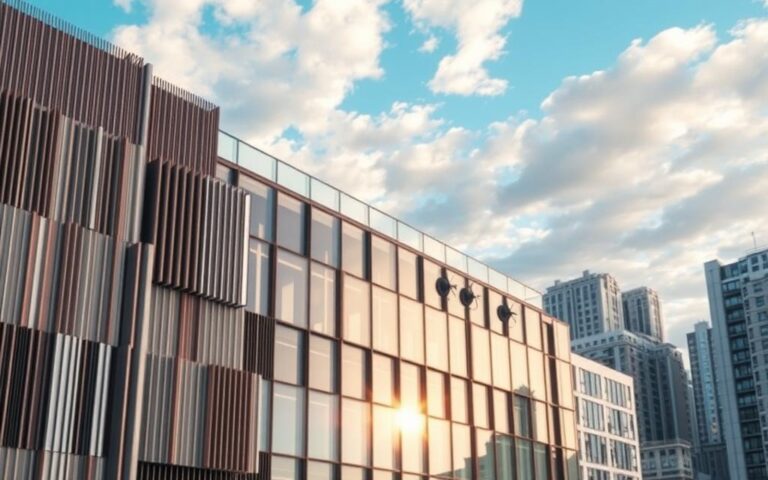
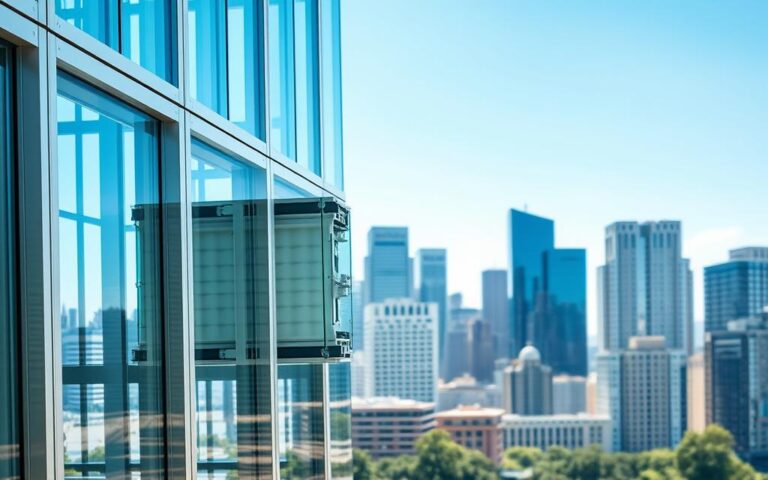
When you walk past a typical office tower, you likely notice glass walls and open windows. These structures prioritize natural light and human comfort. However, a Data Center requires a completely different approach to its exterior shell.
The building envelope serves as a protective shield for sensitive hardware rather than a space for people. Engineers must prioritize thermal regulation and security over traditional aesthetics. This shift in focus changes how architects approach the overall design of the site.
A specialized data center facade acts as a critical performance tool. It manages airflow, heat rejection, and physical protection against external threats. By treating the exterior as a functional machine, owners ensure their servers remain cool and secure. Understanding these unique requirements helps us appreciate why these facilities look so distinct from standard commercial properties.
Key Takeaways
- Facilities prioritize hardware protection over human-centric aesthetics.
- The exterior shell functions as a critical performance component.
- Thermal management dictates the structural choices for the site.
- Security needs often lead to windowless or reinforced wall systems.
- Modern architecture balances high-tech utility with local zoning rules.
Understanding Data Centers and Their Role
Understanding the architecture of a mission critical building requires looking beyond the server racks and cooling units. These facilities serve as the backbone of our digital economy, ensuring that information remains accessible around the clock. By prioritizing structural integrity, architects create spaces that protect the hardware powering our daily lives.
Defining a Data Center
A data center is a specialized facility designed to house computer systems and associated components. Unlike standard office spaces, these buildings are engineered to provide high levels of reliability and security. They act as the physical foundation for cloud computing, storage, and global communication networks.
When we classify a mission critical building, we refer to any structure where downtime could result in significant financial or operational loss. These sites are built to withstand extreme conditions while maintaining constant connectivity. Every aspect of the site is optimized for performance and longevity.
Core Functions of Data Centers
The primary purpose of these facilities is to provide a stable environment for sensitive server hardware. This hardware generates immense heat, requiring sophisticated cooling systems to prevent equipment failure. Beyond temperature control, these sites manage power distribution and data traffic flow with extreme precision.
The following table highlights the key differences between standard commercial structures and these specialized facilities:
| Feature | Commercial Building | Data Center |
|---|---|---|
| Primary Load | Human Occupancy | Server Hardware |
| Power Needs | Standard Grid | Redundant Systems |
| Climate Control | Comfort Cooling | Precision Cooling |
| Security Level | Moderate | High/Restricted |
Importance of Building Envelope
The building envelope serves as the primary line of defense for the internal climate. It acts as a barrier against external elements like moisture, wind, and temperature fluctuations. A well-engineered design ensures that the interior remains isolated from the unpredictable outside environment.
Maintaining a consistent internal climate is essential for continuous uptime. If the building envelope fails, the risk of hardware damage increases significantly. Therefore, the exterior shell is not just an aesthetic choice but a vital component of the overall infrastructure strategy.
The Unique Challenges of Data Center Design
Designing a mission critical building involves overcoming obstacles that standard offices never face. Unlike typical workspaces, these facilities must prioritize the health of hardware over the comfort of human occupants. Every aspect of the building envelope must support the continuous operation of sensitive digital infrastructure.
Cooling Requirements
The primary concern for any Data Center is the management of extreme heat generated by high-density servers. If temperatures rise too high, hardware failure becomes inevitable, leading to costly downtime. Architects must integrate advanced ventilation systems directly into the structural layout to ensure constant airflow.
Effective thermal management often dictates the shape and orientation of the facility. By utilizing natural cooling paths, designers can reduce the strain on mechanical systems. This design strategy is essential for maintaining a stable environment for mission-critical equipment.
Energy Efficiency Considerations
Energy consumption remains a massive hurdle for modern facilities. Because these buildings run 24/7, even minor improvements in efficiency lead to significant cost savings. The building envelope plays a vital role here by providing superior insulation to minimize heat gain from the outside.
“Infrastructure resilience is not just about power redundancy; it is about creating a physical shell that works in harmony with the technology inside.” — Industry Expert
Architects often select materials that reflect solar radiation to keep the interior cool. This approach reduces the reliance on power-hungry air conditioning units. Thoughtful design choices ensure that the facility remains sustainable while meeting high performance standards.
Security Measures
Protecting sensitive data assets requires more than just digital firewalls. Physical security is a cornerstone of a successful Data Center project. The exterior structure must be hardened against unauthorized access and environmental threats.
- Reinforced perimeter walls to prevent forced entry.
- Controlled access points with biometric verification.
- Surveillance systems integrated into the facade design.
The following table highlights the key differences in priorities between standard commercial spaces and specialized data facilities.
| Feature | Commercial Office | Data Center |
|---|---|---|
| Primary Focus | Human Comfort | Hardware Stability |
| Thermal Needs | Moderate/Variable | High/Constant |
| Security Level | Standard Access | High-Security Hardening |
| Energy Goal | Occupant Efficiency | Operational Sustainability |
Differences Between Data Center Facades and Commercial Buildings
When you look at a mission critical building, the exterior is far more than just a decorative shell. Unlike standard office spaces that prioritize natural light and aesthetic appeal, a data center facade must serve as a high-performance barrier. This specialized building envelope protects sensitive hardware from environmental threats while maintaining strict internal climate controls.
Material Choices
The selection of materials for these structures focuses on longevity and thermal resistance rather than just visual trends. Architects often choose heavy-duty materials that can withstand extreme weather and potential security breaches. These choices ensure that the facility remains operational regardless of external conditions.
- Reinforced concrete panels for superior thermal mass and impact resistance.
- High-performance metal cladding that offers corrosion resistance in harsh climates.
- Specialized glazing systems that minimize solar heat gain while maintaining security.
Structural Support Needs
The design of a data center must account for massive internal loads that typical commercial buildings never face. Because these facilities house heavy cooling equipment and backup power systems, the structural frame requires significant reinforcement. The building envelope must be engineered to support this weight without compromising the integrity of the exterior skin.
Engineers often integrate heavy-duty steel supports directly into the facade system to manage the vibration and weight of cooling units. This mission critical building approach ensures that the structure remains stable even during high-intensity operations. By prioritizing robust structural support, designers create a reliable environment that protects the core technology housed within the data center.
The Role of Energy Efficiency in Data Center Design
Managing power consumption starts at the very skin of a building. When architects plan a data center, they must consider how the exterior shell interacts with the local climate. This approach ensures that the facility remains cool while minimizing the strain on mechanical cooling systems.
Sustainable Building Practices
Sustainable building envelope strategies focus on reducing the total carbon footprint of the facility. By using high-quality insulation materials, designers can prevent heat transfer from the outside environment. This simple step keeps internal temperatures stable without requiring constant energy input.
Many modern projects now incorporate green materials that offer long-term durability. These choices help the data center maintain its performance standards over several decades. Energy efficiency is not just a trend; it is a fundamental requirement for responsible infrastructure development.
Innovative Technologies in Facade Design
The modern data center facade often features advanced technology to manage solar heat gain. Engineers frequently use high-performance glazing to reflect unwanted infrared light while allowing natural illumination. This design choice significantly lowers the cooling load during peak summer months.
Dynamic shading systems represent another leap forward in exterior architecture. These systems adjust automatically based on the position of the sun throughout the day. By blocking direct sunlight, these features protect sensitive hardware from thermal spikes.
| Technology | Primary Benefit | Energy Impact |
|---|---|---|
| High-Performance Glazing | Reduces Solar Heat Gain | High Efficiency |
| Dynamic Shading | Adaptive Light Control | Moderate Efficiency |
| Insulated Metal Panels | Thermal Resistance | High Efficiency |
| Green Facade Systems | Natural Cooling | Low to Moderate |
Implementing these technologies requires careful planning during the early stages of the design process. When the data center facade is optimized for the local environment, the facility operates more reliably. This commitment to innovation ensures that the building envelope serves as a powerful tool for sustainability.
Fire Safety and Building Regulations
Protecting a mission critical building requires more than just high-tech security; it demands a rigorous approach to fire safety. Because these facilities house massive amounts of sensitive hardware, any disruption can lead to catastrophic data loss. Designers must prioritize safety within the building envelope to ensure long-term operational continuity.
Compliance with Local Codes
Navigating the regulatory landscape is a fundamental step in the design process. In the United States, facilities must adhere to strict standards such as NFPA 75, which specifically addresses fire protection for information technology equipment. These codes dictate everything from fire suppression systems to the structural integrity of the walls.
Local authorities often require detailed fire safety plans before granting construction permits. Failing to meet these requirements can lead to costly delays or even the total shutdown of a project. Proactive communication with local fire marshals ensures that the facility meets all safety benchmarks from day one.
“Fire safety in a data center is not merely a box-ticking exercise; it is the foundation upon which the reliability of the entire digital ecosystem rests.”
Fire-Resistant Materials
The choice of materials for the building envelope is critical to preventing the spread of fire. Architects often specify non-combustible materials that can withstand extreme heat for extended periods. This approach helps contain potential incidents within a single room, protecting the rest of the data center infrastructure.
Modern construction utilizes advanced composites and treated metals to enhance fire resistance. These materials provide a robust barrier against external threats while maintaining the structural performance required for high-density equipment. The following table outlines common materials used in high-stakes construction projects.
| Material Type | Fire Rating | Primary Benefit |
|---|---|---|
| Mineral Wool Insulation | High | Non-combustible barrier |
| Fire-Rated Gypsum Board | Medium-High | Cost-effective containment |
| Steel Sandwich Panels | High | Structural durability |
| Intumescent Coatings | Variable | Expands under heat |
Selecting the right materials is a vital part of the overall design strategy. By integrating these fire-resistant solutions, owners can safeguard their mission critical building against unforeseen hazards. Ultimately, a well-protected data center is one that remains resilient in the face of any challenge.
Acoustic Considerations in Data Centers
Managing the constant hum of a data center is a critical part of modern facility design. These buildings house thousands of cooling fans and heavy-duty backup generators that operate around the clock. Without proper planning, this equipment creates significant noise pollution that can disrupt nearby communities.
Managing Noise Pollution
The building envelope serves as the primary line of defense against unwanted sound transmission. Architects must treat the exterior shell as a sophisticated barrier to keep internal operations quiet. By selecting high-mass materials, designers can effectively block low-frequency vibrations from escaping the structure.
A well-planned design ensures that the facility remains a good neighbor in any environment. Strategic placement of air intakes and exhaust vents also plays a major role in noise reduction. When these elements are oriented away from residential zones, the overall impact on the surrounding area drops significantly.
Soundproofing Technologies
Engineers utilize various advanced technologies to ensure that every data center stays compliant with local noise ordinances. These solutions focus on absorbing sound energy before it reaches the exterior walls. Implementing these systems is essential for maintaining operational permits in urban settings.
Common soundproofing methods include:
- Acoustic Louvers: These specialized vents allow airflow while trapping sound waves inside the building.
- Sound Attenuators: Installed within ductwork, these devices dampen the noise generated by high-speed cooling fans.
- Mass-Loaded Vinyl: This material adds density to the building envelope, preventing sound leakage through gaps or joints.
Ultimately, the goal of a thoughtful design is to balance high-performance cooling with community comfort. By integrating these acoustic technologies, developers can build a data center that operates efficiently without creating a disturbance. Compliance with local regulations is not just a legal requirement; it is a hallmark of responsible engineering.
The Importance of Scalability in Design
Designing a mission critical building requires a forward-thinking approach to handle rapid technological shifts. As digital demands grow, the physical infrastructure must evolve without requiring a complete overhaul. Operators who prioritize scalability ensure their facilities remain competitive in an ever-changing market.
Future-Proofing Structures
Future-proofing is the process of anticipating future requirements so that a Data Center can adapt to new hardware or cooling needs. By integrating flexibility into the initial design, owners avoid the high costs associated with total facility reconstruction. This strategic foresight protects the long-term value of the asset.
“The most successful facilities are those that treat the building envelope as a living system, capable of expanding alongside the technology it houses.”
A robust building envelope acts as the first line of defense for these evolving systems. When the structure is designed with expansion in mind, upgrading power density or server capacity becomes a streamlined process. This approach minimizes downtime and keeps operations running smoothly during transitions.
Modular Design Solutions
Modular design solutions offer a practical way to achieve this necessary flexibility. By utilizing prefabricated components, teams can add capacity in stages rather than building for peak demand on day one. This method is highly efficient for any mission critical building looking to optimize capital expenditure.
Key benefits of adopting a modular approach include:
- Rapid Deployment: Prefabricated units reduce on-site construction time significantly.
- Scalable Growth: Operators can scale the Data Center footprint based on actual client demand.
- Enhanced Efficiency: Modular components are often optimized for specific cooling and power loads.
Ultimately, the building envelope must support these modular upgrades to maintain environmental integrity. When the architecture is modular, the entire Data Center becomes a more resilient and adaptable asset. This flexibility is essential for staying ahead in the fast-paced digital landscape.
Trends in Data Center Facade Design
Balancing high-performance needs with aesthetic beauty defines the new era of facility construction. While the primary goal remains the protection of critical hardware, the industry is moving toward a more thoughtful approach. Modern data center projects now prioritize how these structures interact with their surroundings.
Aesthetic vs. Functional Design
The technical requirements of a data center facade often dictate a rigid, windowless appearance. However, architects are finding creative ways to soften these massive volumes without compromising security or thermal efficiency. By using perforated metal panels or kinetic skins, designers can create visual interest while maintaining necessary airflow.
This evolution proves that a high-performing building does not have to look like a fortress. Integrating artistic patterns or dynamic lighting allows the building envelope to serve as a landmark rather than an eyesore. This shift helps facilities gain better acceptance from local communities and municipal planning boards.
“Architecture should speak of its time and place, but yearn for timelessness.”
Biophilic Design Elements
Another emerging trend involves the use of biophilic design to bridge the gap between technology and nature. Incorporating living walls or vertical gardens helps to mitigate the heat island effect around large facilities. These green features provide a natural aesthetic that blends the structure into the local landscape.
Beyond the visual benefits, these natural elements improve air quality and provide psychological relief for staff. Utilizing sustainable materials within the building envelope further aligns the facility with modern environmental goals. This holistic approach ensures that the data center remains a positive addition to the urban or rural environment.
Ultimately, the future of data center facade development lies in this delicate balance. By blending innovative engineering with thoughtful aesthetics, companies can build facilities that are both efficient and visually engaging. This commitment to quality design sets a new standard for the entire industry.
Collaborating with Architects and Engineers
Building a mission critical building requires a team that works in perfect harmony from the very start. When architects, structural engineers, and mechanical specialists align their goals, the project gains a significant advantage. This synergy ensures that every technical requirement is met with precision and care.
The Design Process Explained
The design process for a modern facility is a multi-layered journey that begins long before the first shovel hits the dirt. It starts with a conceptual phase where the team defines the specific needs of the Data Center. During this stage, experts must map out the complex requirements of the building envelope to ensure it supports internal cooling and security needs.
Once the concept is set, the team moves into the schematic phase. Here, engineers and architects integrate mechanical systems directly into the structural framework. This approach prevents the common mistake of treating the exterior shell as an afterthought, ensuring the facility remains robust and efficient.
Benefits of Early Collaboration
Fostering early collaboration offers immense value to project stakeholders. By involving all specialists during the initial planning phase, teams can identify potential conflicts before they become expensive problems. This proactive strategy helps avoid costly retrofits that often plague poorly planned projects.
Furthermore, early integration ensures that the mission critical building meets all performance benchmarks from day one. When the building envelope is designed with cooling and energy efficiency in mind, the entire Data Center operates more reliably. This level of coordination is the hallmark of a successful design strategy.
| Feature | Collaborative Approach | Siloed Approach |
|---|---|---|
| Cost Management | Proactive and predictable | High risk of retrofits |
| Timeline | Streamlined and efficient | Frequent delays |
| Performance | Optimized from start | Variable and inconsistent |
| Communication | Transparent and constant | Fragmented and slow |
The Future of Data Center Building Envelopes
Modern digital infrastructure requires a shift in how we approach physical construction. The industry now prioritizes resilience against extreme weather while meeting strict global sustainability goals.
Innovations on the Horizon
New materials allow a Data Center to regulate internal temperatures with minimal mechanical intervention. Smart glass and adaptive skins represent the next phase of high-performance Design. These technologies adjust to sunlight and wind patterns in real time to reduce energy waste.
The Impact of Climate Change and Sustainability Efforts
Rising global temperatures force engineers to rethink the standard Building Envelope. A robust data center facade must now withstand harsher environmental conditions while maintaining a low carbon footprint. Companies like Equinix and Digital Realty lead these efforts by integrating green materials into their global portfolios.
Investing in advanced structural solutions ensures your facility remains operational for decades. Reach out to your local architectural partners to explore how these trends apply to your upcoming projects. Your commitment to smart planning protects your digital assets and the planet.