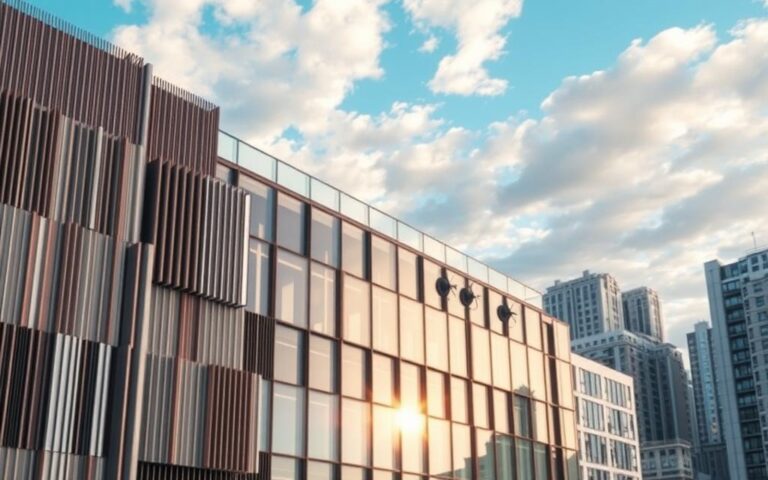
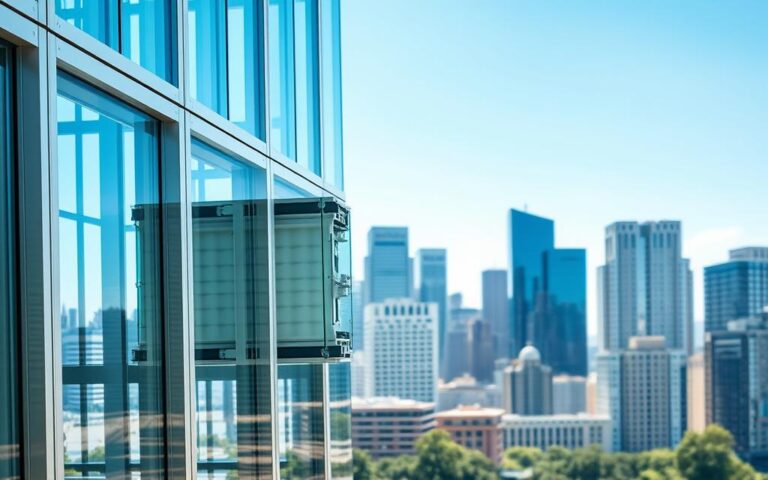
Modern digital infrastructure relies on constant uptime to keep our world connected. However, extreme climate events pose a serious threat to sensitive hardware. A robust Data Center strategy must prioritize the Building Envelope to shield internal systems from harsh external elements.
Facility operators often overlook how physical barriers prevent moisture and temperature swings. By focusing on proactive Risk Management, teams can stop small issues from becoming costly outages. Effective weather protection serves as the first line of defense for your servers.
Investing in structural integrity ensures that your facility remains operational during storms or heatwaves. This approach helps maintain high performance across the United States. Prioritizing weather protection is not just about maintenance; it is a vital part of long-term Risk Management for any Data Center. Securing the Building Envelope keeps your business running smoothly regardless of the forecast.
Key Takeaways
- Environmental resilience is essential for maintaining consistent digital uptime.
- The physical structure acts as the primary shield against climate-related threats.
- Proactive planning reduces the likelihood of hardware failure during severe storms.
- Facility managers should prioritize structural integrity to ensure operational continuity.
- Strategic investments in site hardening protect sensitive equipment from external damage.
Understanding the Importance of Data Centers
Data centers serve as the silent engines powering our global digital economy. These facilities house the critical infrastructure that allows businesses to store, process, and distribute massive amounts of information every second. Without a reliable data center, the modern internet would simply cease to function.
Overview of Data Center Functions
At their core, these facilities perform three primary tasks: computing, storage, and networking. They act as centralized hubs where servers execute complex applications and databases manage user information.
By consolidating these resources, organizations achieve unmatched efficiency and scalability. This centralization ensures that digital services remain accessible to users across the globe at any time of day.
Common Data Center Risks
Operating a data center involves navigating a variety of potential threats that can disrupt service. Environmental factors, such as extreme heat or moisture, pose significant dangers to sensitive hardware.
Beyond weather, facilities must also defend against:
- Physical security breaches that threaten data integrity.
- Power grid instability leading to unexpected downtime.
- Hardware failures caused by improper cooling or ventilation.
Mitigating these risks is essential for maintaining the high availability that modern users expect. Proactive management helps prevent costly outages before they occur.
Key Data Center Components
To maintain continuous operations, a data center relies on several interconnected systems. These components work in harmony to ensure that the facility remains operational under various conditions.
The most critical elements include:
- Power Distribution Units (PDUs) and backup generators.
- Advanced cooling systems designed to manage thermal output.
- High-density server racks and networking hardware.
Protecting these specific assets from environmental damage is a top priority for facility managers. By securing the building envelope, operators can ensure that the data center remains a resilient fortress for digital assets.
The Building Envelope Defined
A well-designed facility starts with a strong outer shell that separates the internal climate from external environmental stressors. This physical barrier acts as the first line of defense for your critical IT infrastructure. By controlling the transition between the conditioned interior and the unpredictable outdoors, it ensures that sensitive server operations remain stable regardless of the weather.
What Constitutes a Building Envelope?
The Building Envelope is essentially the skin of the structure. It encompasses all the components that enclose the conditioned space, including the roof, walls, windows, and foundation. High-performance facade systems are integrated into this design to manage moisture, air leakage, and thermal transfer.
These systems work together to create a controlled environment. Key components typically include:
- High-grade insulation materials to maintain steady temperatures.
- Advanced air barriers that prevent unwanted drafts or humidity infiltration.
- Durable exterior cladding that resists wind and precipitation.
Role of the Building Envelope in Data Centers
In the context of a data center, the Building Envelope serves a much more vital purpose than in a standard office building. Because servers are highly sensitive to temperature fluctuations and humidity, the envelope must provide superior thermal performance. If the facade systems fail to seal the building properly, the cooling infrastructure must work significantly harder to compensate.
This increased workload leads to higher energy costs and potential hardware stress. By investing in a robust design, facility managers ensure that the internal climate remains consistent. This structural integrity is essential for protecting the hardware that powers modern digital services. Ultimately, a properly maintained envelope is the most effective way to mitigate risks from the outside environment.
Weather-Related Threats to Data Centers
External weather patterns pose a constant challenge to the stability of any mission-critical infrastructure. Every Data Center must account for the reality that nature can disrupt even the most advanced systems. Understanding these environmental stressors is the first step toward ensuring long-term operational success.
Types of Extreme Weather Events
Facilities across the United States face a wide range of climate-driven risks that can threaten site uptime. When planning for data center resilience, managers must prepare for several specific hazards:
- Extreme heat waves that push cooling systems beyond their design limits.
- Severe storm surges and flooding that can compromise ground-level electrical components.
- High-velocity winds capable of damaging exterior building envelopes.
- Heavy snowfall or ice storms that disrupt power grids and access routes.
Effects of Humidity and Temperature Variations
Beyond immediate storm damage, subtle shifts in the environment can cause significant internal problems. A Data Center relies on precise climate control to keep sensitive hardware running at peak performance. When external humidity levels fluctuate wildly, the internal cooling systems often struggle to maintain the necessary balance.
If these variations remain unmanaged, the risk of hardware corrosion increases significantly. Consistent temperature control is vital to prevent cooling system failures that lead to unplanned downtime. By prioritizing data center resilience, facility operators can better protect their equipment from the unpredictable nature of the outside world.
The Relationship Between Weather Protection and Reliability
Weather protection is not just a construction detail; it is a fundamental pillar of infrastructure reliability. When a facility is properly shielded from the elements, the internal environment remains stable and predictable. This consistency is essential for the sensitive hardware housed within modern data centers.
How the Right Materials Make a Difference
Selecting high-quality building materials acts as the first line of defense against environmental stressors. Advanced sealants and moisture-resistant barriers prevent water ingress, which is a common cause of equipment degradation. By utilizing superior materials, operators can effectively eliminate thermal bridging that often leads to condensation issues.
Effective weather protection also helps maintain a consistent internal climate. When the building envelope is airtight, cooling systems do not have to work as hard to compensate for external temperature swings. This reduction in mechanical strain ensures that your critical systems operate at peak efficiency throughout the year.
Impact on Infrastructure Longevity
Prioritizing durable construction materials significantly extends the lifespan of your infrastructure assets. When you invest in robust weather protection today, you avoid the premature wear and tear caused by humidity and temperature fluctuations. This proactive approach protects your capital investment from the harsh realities of the outside environment.
Furthermore, high-quality protection reduces the frequency of emergency maintenance and unexpected downtime. By minimizing the risk of moisture-related damage, operators can focus on growth rather than constant repairs. Ultimately, investing in reliable building systems today prevents costly operational failures in the future.
Risk Management Strategies for Data Centers
Effective risk management serves as the backbone of every successful data center operation. By adopting a proactive mindset, facility managers can shield their infrastructure from the unpredictable nature of extreme weather. This approach transforms potential vulnerabilities into manageable operational tasks.
Identifying Potential Threats
The first step in any security strategy involves a deep dive into site-specific hazards. You must analyze historical weather patterns in your region to understand what your facility might face. This includes evaluating risks like flooding, high winds, or extreme temperature fluctuations that could impact hardware performance.
Engaging with local climate data allows teams to prioritize which threats require immediate attention. Data center operators should also conduct regular site audits to spot physical weaknesses in the building envelope. Identifying these gaps early prevents minor issues from becoming costly disasters during a storm.
Developing a Risk Management Plan
Once you identify the threats, the next phase is creating a comprehensive risk management plan. This document should outline clear protocols for emergency response and long-term maintenance. A well-structured plan ensures that every team member knows their role when an environmental challenge arises.
Consistency is key to maintaining a reliable facility. You should review and update your strategies annually to account for changing climate conditions or new technological upgrades. The following table highlights the essential phases of building a robust protection strategy for your site.
| Phase | Primary Objective | Key Action Item |
|---|---|---|
| Assessment | Identify vulnerabilities | Conduct site audit |
| Planning | Define response steps | Draft emergency protocols |
| Execution | Implement safeguards | Install protective materials |
| Review | Improve performance | Update annual strategy |
By following these structured steps, you protect your data center investments from unforeseen events. A strong risk management framework provides the peace of mind needed to focus on core business goals. Ultimately, a prepared facility is a resilient one, capable of weathering any storm.
Building Envelope Systems That Offer Protection
A robust Building Envelope serves as the primary defense for sensitive server hardware. By creating a high-performance barrier, facility managers can ensure that internal conditions remain stable regardless of external climate shifts. These advanced facade systems are essential for maintaining the integrity of the entire data center environment.
Insulation and Air Barriers
High-performance insulation is the backbone of a climate-controlled facility. It prevents thermal bridging, which occurs when heat moves through structural elements, potentially causing condensation issues near sensitive equipment.
Effective air barriers complement this insulation by sealing the structure against unwanted drafts and moisture infiltration. Maintaining a tight seal is critical for energy efficiency and protecting hardware from humidity-related corrosion. When these systems work in harmony, they create a consistent, reliable atmosphere that supports long-term uptime.
Roofing and Window Selection
Strategic roofing choices are vital for long-term durability against extreme weather events. Modern roofing materials often feature reflective coatings that reduce heat absorption, lowering the cooling load on the facility’s HVAC systems.
When selecting windows for your Building Envelope, prioritize impact-resistant glass and thermally broken frames. These components enhance the overall strength of your facade systems while providing necessary insulation. Consider the following features for optimal protection:
- Impact-resistant glazing to withstand high winds and debris.
- Multi-layered seals to prevent water leakage during heavy storms.
- Low-emissivity coatings to manage solar heat gain effectively.
Investing in these high-quality materials ensures that your data center remains secure and operational. By focusing on these technical details, you build a resilient foundation that stands up to the toughest environmental challenges.
Innovative Technologies for Weather Resistance
The future of facility reliability lies in the integration of smart materials and real-time data analytics. As climate patterns become more erratic, the traditional Building Envelope must evolve to provide superior protection for sensitive hardware. By adopting these cutting-edge solutions, operators can ensure their infrastructure remains secure against even the most severe environmental stressors.
Advanced Materials in Building Envelopes
Modern engineering has introduced materials that actively respond to their surroundings. High-performance thermal coatings and self-healing concrete are now standard in top-tier facility designs. These materials help maintain a stable internal climate while reducing the physical strain caused by extreme heat or freezing temperatures.
Using a resilient Building Envelope is essential for long-term durability. These advanced materials offer several key benefits for modern data centers:
- Enhanced Thermal Resistance: Reduces energy consumption by maintaining steady internal temperatures.
- Moisture Mitigation: Specialized membranes prevent water infiltration during heavy storms.
- Structural Longevity: Materials designed to resist UV degradation and chemical weathering last significantly longer.
Smart Systems for Monitoring and Response
Beyond physical barriers, digital intelligence plays a vital role in modern risk management. Smart monitoring systems utilize a network of IoT sensors to track the health of the Building Envelope in real time. These systems provide operators with immediate alerts if a breach or structural weakness is detected.
Predictive analytics allow teams to shift from reactive repairs to proactive maintenance. By analyzing data trends, operators can anticipate potential failures before they impact operations. This level of oversight is a game-changer for facilities located in regions prone to rapid weather shifts, ensuring that response times remain swift and effective.
Best Practices for Data Center Design
Achieving high uptime depends on how well a facility is prepared for unpredictable climate events. Designing a Data Center with weather resilience in mind is a best practice that pays dividends in operational stability. By prioritizing structural integrity from the start, operators can ensure their facilities withstand extreme environmental conditions over their entire lifecycle.
Designing for Weather Resilience
The first step in creating a resilient facility involves careful site selection and structural reinforcement. Engineers must evaluate local climate data to identify potential risks like flooding, high winds, or extreme heat. Proactive planning allows for the integration of hardened building envelopes that protect sensitive hardware from moisture and temperature spikes.
Effective data center resilience also relies on redundant systems that operate independently of the external environment. Incorporating elevated foundations and impact-resistant materials helps maintain continuous uptime during severe storms. These design choices reduce the need for emergency repairs and extend the lifespan of critical infrastructure.
Case Studies of Successful Designs
Several industry leaders have set the standard for climate-hardened construction. For instance, the Switch Citadel campus in Nevada utilizes advanced cooling and structural designs to thrive in desert heat. Similarly, Google has implemented modular, weather-resistant designs in various global locations to ensure consistent performance regardless of local weather patterns.
These examples demonstrate that investing in high-quality materials and smart design pays off. By studying these successful models, architects can apply proven methods to new projects. The following table highlights key strategies used to improve facility durability.
| Strategy | Primary Benefit | Resilience Level |
|---|---|---|
| Elevated Site Selection | Flood Mitigation | High |
| Impact-Resistant Glazing | Wind/Debris Protection | Medium |
| Advanced Thermal Insulation | Temperature Stability | High |
| Modular Infrastructure | Rapid Recovery | Medium |
Regulatory Requirements and Standards
Navigating the complex web of building codes is essential for modern data center success. Developers must prioritize strict adherence to national standards to ensure long-term operational safety and structural integrity. By following these guidelines, organizations can effectively mitigate risks associated with environmental threats and facility failure.
Key Regulations Affecting Building Design
The design phase of any data center project must align with established legal frameworks. In the United States, the International Building Code (IBC) serves as the primary benchmark for structural safety and fire resistance. These codes dictate how a building must withstand extreme weather events, such as high winds or seismic activity.
Beyond structural requirements, facilities must also adhere to the National Fire Protection Association (NFPA) standards. These regulations ensure that fire suppression systems and electrical layouts meet rigorous safety thresholds. Failure to comply with these mandates often leads to significant legal liabilities and potential operational shutdowns.
Compliance with Industry Standards
While building codes provide the legal baseline, industry-specific standards offer a roadmap for high-performance reliability. Organizations like the Uptime Institute and the Telecommunications Industry Association (TIA) provide frameworks that go beyond basic safety. These benchmarks help designers create environments that maintain uptime even during severe weather disruptions.
Adopting these voluntary standards demonstrates a commitment to operational excellence. It allows facility managers to benchmark their infrastructure against global best practices. The following table outlines the primary standards that influence modern data center design and maintenance.
| Standard Body | Primary Focus | Impact on Design |
|---|---|---|
| IBC (International Building Code) | Structural Safety | Ensures wind and seismic resilience. |
| NFPA 75 | Fire Protection | Governs IT equipment room safety. |
| TIA-942 | Infrastructure | Standardizes data center topology. |
| Uptime Institute | Tier Reliability | Defines availability and redundancy. |
The Financial Implications of Weather Protection
When you analyze the bottom line, the cost of weather-related downtime far outweighs the price of proactive infrastructure upgrades. Many facility managers view weather protection as a simple expense, but it is actually a powerful tool for long-term profitability. By prioritizing environmental resilience, companies can avoid the massive financial drain caused by unexpected system failures.
Cost vs. Benefit Analysis
Performing a thorough cost-benefit analysis is essential for any data center project. Upfront investments in reinforced roofing, advanced insulation, and flood mitigation may seem high at first glance. However, these costs are minor when compared to the potential loss of revenue during a major outage.
Effective planning allows businesses to allocate capital toward solutions that prevent damage before it occurs. When you compare the price of a single day of downtime against the cost of a hardened building envelope, the financial logic becomes clear. Proactive spending is a smart investment that secures your operational future.
Long-term Savings from Effective Risk Management
A robust Risk Management strategy serves as a financial shield for your organization. By identifying environmental threats early, you can implement targeted defenses that reduce insurance premiums and maintenance costs over time. This approach transforms facility management from a reactive cycle into a predictable, cost-effective process.
Consistent maintenance and smart design choices lead to significant savings by extending the lifespan of critical hardware. When your facility remains operational during extreme events, you protect your reputation and your client contracts. The following table illustrates the economic contrast between reactive and proactive facility strategies.
| Strategy Type | Initial Investment | Maintenance Costs | Risk of Downtime |
|---|---|---|---|
| Reactive | Low | High (Emergency Repairs) | Very High |
| Proactive | Moderate | Low (Planned Upkeep) | Low |
| Resilient | High | Minimal | Negligible |
Ultimately, prioritizing weather protection is not just an operational necessity; it is a core financial strategy. By integrating comprehensive Risk Management into your business model, you ensure that your data center remains a stable and profitable asset for years to come.
Future Trends in Data Center Risk Management
The landscape for protecting critical infrastructure is shifting rapidly as global weather patterns become less predictable. Operators must look toward the horizon to maintain uptime and security in an era of environmental uncertainty.
Emerging Technologies and Innovations
New digital tools now allow teams to predict structural stress before damage occurs. Companies like Schneider Electric and Vertiv lead the way by integrating predictive analytics into their hardware. These smart systems provide real-time data to improve your overall Data Center strategy.
The Role of Climate Change in Planning
Long-term success requires a proactive approach to climate shifts. Effective Risk Management now demands that facility designs account for extreme heat and rising water levels. Adaptability remains the most valuable trait for any modern facility.
You can secure your operations by staying informed about these evolving standards. Reach out to your engineering partners to discuss how your current site can better withstand future environmental challenges. Your commitment to resilience today protects the digital assets of tomorrow.