Modern infrastructure projects often struggle to balance visual appeal with strict operational needs. As our digital world grows, the structures housing our servers must evolve to meet higher standards. Finding this balance is the primary goal for today’s architects and builders.
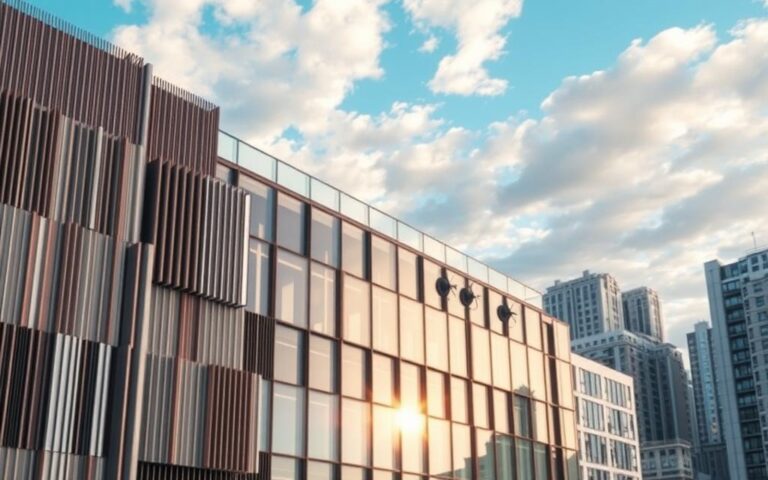
The building envelope acts as the first line of defense for sensitive hardware. A well-planned Data Center exterior does more than look good; it protects internal systems from harsh weather and thermal fluctuations. This protective layer is vital for maintaining consistent uptime.
Effective Facade Engineering requires a deep understanding of both material science and thermal performance. When you approach the Design process with a focus on durability, you ensure long-term efficiency. This shift transforms the exterior from a simple aesthetic choice into a critical technical necessity for any high-performance facility.
Key Takeaways
- The building envelope serves as a vital shield for sensitive server environments.
- Aesthetics must align with strict operational performance requirements.
- Modern exteriors help manage thermal loads and improve energy efficiency.
- Strategic planning prevents costly maintenance issues over the building’s lifespan.
- Technical precision in the planning phase ensures long-term infrastructure reliability.
Introduction to Data Center Design
Creating a high-performance server facility requires more than just internal hardware. In the United States, the focus has shifted toward creating structures that balance extreme technical needs with environmental responsibility. This foundational approach ensures that every aspect of the building supports long-term operational success.
Importance of Facade Engineering
The building envelope serves as the first line of defense for sensitive equipment. Facade Engineering plays a critical role in maintaining the internal climate while protecting the structure from external elements. By optimizing the exterior, architects can significantly reduce the energy load required for cooling.
Effective data center design integrates these engineering principles to create a stable environment. When the facade is engineered correctly, it acts as a thermal barrier that prevents heat gain. This proactive strategy is essential for maintaining the uptime that modern businesses demand.
Overview of Modern Data Centers
Today’s facilities are far more complex than the server rooms of the past. A modern Data Center must be highly resilient to withstand both physical threats and changing climate conditions. These buildings often feature modular layouts that allow for rapid scaling as technology evolves.
The shift toward high-density computing has forced a change in how we approach data center design. Engineers now prioritize structural integrity to support heavy equipment loads and advanced cooling systems. Through precise Facade Engineering, these facilities achieve a balance between aesthetic appeal and high-level performance.
Ultimately, the goal of a Data Center is to provide a secure home for the world’s digital information. By focusing on the building envelope, developers ensure that their infrastructure remains reliable for years to come.
Key Challenges in Data Center Facade Design
The building envelope serves as the primary defense for sensitive server infrastructure against an unpredictable environment. Architects face significant hurdles when trying to reconcile high-performance cooling needs with the physical demands of a structure. Successfully navigating these obstacles is essential for any modern data center design project.
Thermal Management Concerns
Managing extreme thermal loads remains a top priority for engineers. The facade must act as a thermal barrier to prevent external heat gain from affecting internal server temperatures. Without proper insulation, the cooling systems work harder, which leads to higher operational costs.
Advanced materials help maintain internal stability by reflecting solar radiation. This data center strategy ensures that the equipment remains within safe operating limits regardless of the weather outside. Effective thermal regulation is the cornerstone of a reliable facility.
Structural Integrity and Durability
A robust building envelope must withstand harsh environmental conditions over several decades. Engineers prioritize materials that resist corrosion, wind pressure, and moisture infiltration. These factors are critical to protecting the expensive hardware housed within the facility.
Long-term durability reduces the need for frequent maintenance and costly repairs. By selecting high-quality cladding systems, developers ensure the data center remains secure and operational. Investing in structural resilience is a smart move for long-term success.
Aesthetic Considerations
Modern data center design often struggles to balance industrial utility with visual appeal. Many communities now require facilities to blend into the local landscape rather than appearing as stark, windowless boxes. Architects use creative textures and patterns to soften the appearance of these massive structures.
The following table outlines how different facade elements impact the overall performance of a facility:
| Feature | Thermal Impact | Durability Level | Aesthetic Value |
|---|---|---|---|
| Metal Panels | Moderate | High | Industrial |
| Smart Glass | Excellent | Medium | Modern |
| Precast Concrete | High | Very High | Minimalist |
| Green Facades | High | Low | Natural |
Ultimately, the goal is to create a data center that functions perfectly while looking intentional. Balancing these competing needs requires close collaboration between all project stakeholders.
Energy Efficiency in Facade Engineering
The building envelope serves as the first line of defense against rising energy expenses. Facility managers must prioritize thermal resistance to lower operational costs and reduce the overall environmental footprint of their infrastructure.
Materials That Enhance Energy Performance
Advanced Facade Engineering plays a critical role in maintaining stable internal temperatures. By utilizing high-performance insulation and reflective exterior coatings, designers can significantly minimize heat gain during peak summer months.
Incorporating thermal breaks into the structural frame prevents heat transfer through metal components. These specialized materials ensure that the interior climate remains consistent, which drastically reduces the load on mechanical cooling systems.
Passive Design Strategies
Effective facade engineering also involves leveraging natural elements to optimize energy performance. Strategic building orientation allows facilities to maximize daylighting while minimizing direct solar radiation on sensitive server areas.
Natural ventilation systems can be integrated into the building envelope to provide free cooling during cooler periods. This approach decreases reliance on energy-intensive HVAC units, leading to long-term cost savings and improved sustainability.
| Material Type | Thermal Resistance | Cost Efficiency | Maintenance Needs |
|---|---|---|---|
| High-Performance Glass | Moderate | Medium | Low |
| Insulated Metal Panels | High | High | Low |
| Fiber Cement Cladding | Medium | High | Very Low |
| Green Facade Systems | High | Low | High |
Innovations in Facade Technology
Modern engineering is transforming the exterior of mission-critical facilities into active, responsive systems. These advancements in facade engineering allow buildings to adapt to changing environmental conditions in real-time. By moving beyond static walls, a modern Data Center can now optimize its internal climate with much greater precision.
Smart Glass and Dynamic Facades
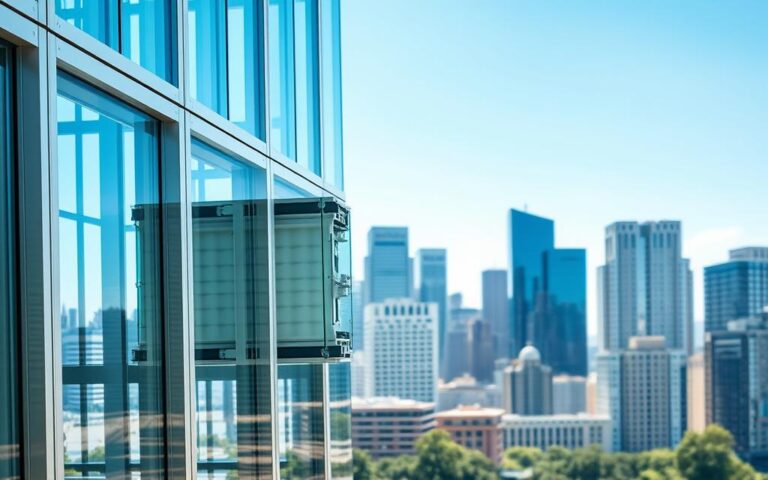
Smart glass technology represents a significant leap forward for building envelopes. These systems use electrochromic materials to adjust tint levels automatically based on sunlight intensity. This dynamic control helps regulate heat gain, which significantly reduces the cooling load on mechanical systems.
By implementing these responsive skins, architects can maintain optimal indoor temperatures without relying solely on energy-intensive HVAC units. This approach to facade engineering ensures that the building remains comfortable while protecting sensitive server hardware from thermal fluctuations.
Integration of Renewable Energy Solutions
Sustainability goals are driving the adoption of building-integrated photovoltaics (BIPV). Instead of relying on traditional roof-mounted panels, designers now incorporate solar-harvesting technology directly into the building skin. This allows a Data Center to generate clean energy across its entire surface area.
These integrated solutions offer several key advantages for facility owners:
- Reduced carbon footprint through on-site power generation.
- Improved aesthetic appeal by blending technology with architectural design.
- Lower operational costs by offsetting grid energy consumption.
Innovation in this space continues to push the boundaries of what is possible for large-scale infrastructure. As these technologies become more affordable, they will likely become the standard for future high-performance projects. Embracing these tools allows developers to create facilities that are both resilient and environmentally responsible.
Regulatory Compliance and Standards
Success in facade engineering often hinges on how well a project aligns with local safety and environmental mandates. Navigating the complex regulatory landscape is a vital step for any data center project in the United States. By addressing these requirements early, teams can avoid costly legal complications and project delays.
Understanding Industry Regulations
Data centers must adhere to strict national standards to ensure the safety of both the equipment and the surrounding community. Key organizations like the National Fire Protection Association (NFPA) provide essential guidelines for fire resistance in exterior materials. These standards ensure that the building envelope remains secure even under extreme conditions.
“Compliance is not merely a hurdle to clear; it is the framework that guarantees the longevity and safety of our critical digital infrastructure.”
Environmental regulations also play a significant role in modern design. Engineers must evaluate how facade materials impact local ecosystems and energy consumption. Adhering to these benchmarks helps developers maintain a positive reputation while meeting federal sustainability goals.
Meeting Local Codes and Guidelines
Beyond national mandates, local municipal codes often dictate specific aesthetic and structural requirements. These guidelines vary significantly by region, making it essential to consult with local authorities during the initial design phase. A proactive approach ensures that the building envelope meets all zoning and safety criteria before construction begins.
Effective facade engineering requires a balance between innovation and strict adherence to these local rules. When teams prioritize these standards, they create facilities that are both resilient and legally sound. The following table outlines the primary areas of focus for regulatory compliance.
| Regulatory Area | Primary Objective | Key Stakeholder |
|---|---|---|
| Fire Safety | Prevent flame spread | Fire Marshal |
| Structural Load | Ensure wind resistance | Structural Engineer |
| Energy Efficiency | Reduce thermal loss | Sustainability Consultant |
| Zoning Laws | Maintain site aesthetics | City Planning Board |
Sustainability in Data Center Design
Sustainability has evolved from a luxury to a fundamental requirement in industrial architecture. When planning a new Data Center, developers must prioritize long-term environmental impact alongside operational efficiency. This shift ensures that the design remains relevant and responsible in a changing climate.
Eco-Friendly Materials and Practices
Reducing the carbon footprint of a building envelope is a primary goal for modern construction. By selecting materials with low embodied carbon, teams can significantly improve the overall profile of the facility. Thoughtful material choices often lead to better thermal performance and reduced energy consumption over time.
Common eco-friendly options for the building exterior include:
- Recycled aluminum panels that offer high durability and recyclability.
- Green walls or living facades that naturally regulate building temperatures.
- Low-carbon concrete mixtures that lower the total environmental impact of the structure.
- High-performance insulation made from sustainable or recycled fibers.
The Role of LEED Certification
Achieving LEED certification serves as a powerful validation of a project’s commitment to green standards. This framework provides a clear roadmap for teams to follow during the data center design process. It encourages a holistic approach that considers water usage, energy efficiency, and indoor environmental quality.
Beyond the environmental benefits, certification often enhances the market value of the facility. Investors and clients increasingly prefer buildings that demonstrate verified sustainability. By adhering to these rigorous guidelines, developers ensure their design choices meet global benchmarks for excellence. This commitment to quality helps the Data Center stand out as a leader in responsible infrastructure development.
The Impact of Climate on Facade Design
Protecting sensitive hardware starts with a facade that can withstand the unique weather of its location. Because climate conditions vary significantly across the United States, engineers must adopt a localized approach to Facade Engineering. A one-size-fits-all strategy rarely works when dealing with the diverse environmental stressors found from the Pacific Northwest to the Gulf Coast.
Designing for Diverse Weather Conditions
Effective Design requires a deep analysis of local meteorological data. Whether a facility faces extreme desert heat or heavy seasonal precipitation, the building envelope must act as a primary shield for the internal infrastructure. Architects and engineers often implement specific strategies to mitigate these environmental risks.
Consider these essential strategies for managing regional weather patterns:
- High-Heat Zones: Utilize reflective coatings and high-thermal-mass materials to reduce cooling loads.
- Heavy Precipitation: Incorporate advanced drainage systems and moisture-resistant barriers to prevent water infiltration.
- High-Wind Regions: Ensure the building envelope is tested for wind-load pressure to maintain structural stability.
Resilience Against Natural Disasters
Beyond daily weather, modern facilities must maintain resilience against rare but destructive natural events. A robust Facade Engineering plan accounts for seismic activity, hurricanes, and wildfires. These events threaten the continuity of critical data operations if the exterior shell fails.
Investing in high-impact materials provides a necessary layer of security for mission-critical assets. When the Design prioritizes durability, the facility can withstand external shocks while keeping internal temperatures stable. This proactive approach ensures that the building envelope remains a reliable barrier, protecting the digital backbone of the modern economy from unpredictable environmental threats.
Selecting the Right Facade Materials
The success of a data center project often hinges on the specific materials selected for its exterior. Making the right choice requires a deep understanding of how different components interact with the local environment. By prioritizing quality design, you ensure that the facility remains functional and secure for years to come.
Comparing Common Facade Options
Modern facade engineering offers a variety of materials that serve different functional needs. Each option provides unique benefits regarding thermal resistance, aesthetic appeal, and structural strength. Selecting the best fit depends on your specific site requirements and performance targets.
| Material Type | Thermal Performance | Maintenance Needs | Primary Benefit |
|---|---|---|---|
| Metal Panels | Moderate | Low | Speed of installation |
| Masonry | High | Very Low | Structural durability |
| High-Performance Glazing | Variable | Moderate | Natural daylighting |
Metal panels are frequently chosen for their lightweight nature and rapid assembly. In contrast, masonry provides a robust building envelope that excels in regions prone to extreme weather. High-performance glazing is often integrated to improve the visual appeal while maintaining strict thermal control.
Factors Influencing Material Choice
When evaluating materials, you must look beyond the initial purchase price. Lifecycle costs play a significant role in the long-term financial health of the data center. Choosing materials that require minimal upkeep will save your team significant time and resources over the life of the building.
Environmental resilience is another critical factor in your design strategy. You should consider how local climate patterns affect the degradation of exterior surfaces. A well-planned building envelope acts as the first line of defense against moisture, heat, and physical wear.
Ultimately, the goal of effective facade engineering is to align your material selection with your project goals. By balancing budget constraints with performance needs, you create a facility that is both efficient and sustainable. Careful planning today prevents costly repairs and operational downtime in the future.
Collaboration Among Project Stakeholders
Achieving excellence in facility construction starts with a collaborative approach that bridges the gap between creative vision and technical reality. A successful design process relies on the seamless integration of ideas from various experts. When teams work in silos, the project often suffers from delays or performance gaps.
The Role of Architects in Facade Design
Architects serve as the primary visionaries who define the aesthetic and functional goals of the building envelope. They must balance artistic intent with the harsh realities of thermal performance and structural requirements. This delicate act requires a deep understanding of how materials interact with the local environment.
By maintaining a clear focus on the project’s core objectives, architects ensure that the final structure remains both beautiful and highly functional. True innovation often emerges when the architect invites technical feedback early in the creative phase. This proactive stance prevents costly redesigns later in the project lifecycle.
“Individual commitment to a group effort—that is what makes a team work, a company work, a society work, a civilization work.”
Importance of Engaging Engineers and Contractors
Bringing engineers and contractors into the conversation early is vital for ensuring that the building envelope is both constructible and efficient. These professionals provide the technical expertise needed to turn complex concepts into reality. Their input helps identify potential risks before they become expensive problems on the job site.
When contractors review the design plans during the early stages, they can offer insights into material availability and installation methods. This interdisciplinary teamwork leads to superior project outcomes and significantly reduced risk for the owner. Effective communication remains the most powerful tool for delivering a high-performance data center that stands the test of time.
Future Trends in Data Center Facade Engineering
Future-proofing a Data Center starts with the very skin that protects its sensitive internal hardware. As digital demands grow, the industry is embracing new methods to streamline the construction of complex building exteriors. This evolution ensures that facilities remain resilient against both environmental shifts and rapid technological changes.
Anticipating Technological Advances
The next generation of facade engineering will likely integrate responsive materials that adjust to real-time climate data. By utilizing sensors and automated systems, these envelopes can optimize internal temperatures without relying solely on mechanical cooling. This proactive approach helps owners maintain peak performance while reducing long-term operational costs.
Furthermore, architects are increasingly using digital twins to simulate how a building envelope will perform over several decades. This foresight allows for the seamless integration of future hardware upgrades. Investing in adaptable designs today prevents the need for costly retrofits as the facility matures.
The Shift Toward Modular Designs
The construction of a modern Data Center is moving toward greater speed and precision through off-site manufacturing. Modular components allow teams to assemble the building envelope in controlled factory environments before shipping them to the site. This method significantly reduces waste and minimizes the impact of unpredictable weather on project timelines.
The benefits of adopting a modular approach in facade engineering include:
- Faster deployment of the building envelope to protect internal equipment sooner.
- Higher quality control standards due to factory-based assembly processes.
- Reduced on-site labor requirements, which improves overall safety and efficiency.
As the Data Center sector continues to expand, the reliance on modular systems will become a standard practice. This shift represents a major milestone in the ongoing development of high-performance facade engineering across the United States.
Conclusion
Modern facilities require a delicate balance between high-tech performance and architectural beauty. Mastering the art of data center design ensures that your infrastructure remains resilient against environmental shifts while maintaining peak operational efficiency.
Effective facade engineering serves as the primary shield for sensitive server equipment. By prioritizing thermal regulation and structural durability, project teams create environments that support long-term growth. These choices protect your investment and reduce energy consumption across the entire lifecycle of the building.
Refining Technical Approaches
Successful projects rely on the integration of smart materials and sustainable practices. Professionals who embrace these methods stay ahead of industry standards and regulatory requirements. This proactive mindset transforms the building envelope into a strategic asset rather than a simple exterior shell.
Looking Toward Emerging Trends
The path forward involves a shift toward modular systems and advanced digital monitoring. These innovations allow for greater flexibility as technology evolves at a rapid pace. We encourage you to apply these insights to your upcoming projects to foster excellence in every build. Your commitment to quality design shapes the digital landscape for years to come.