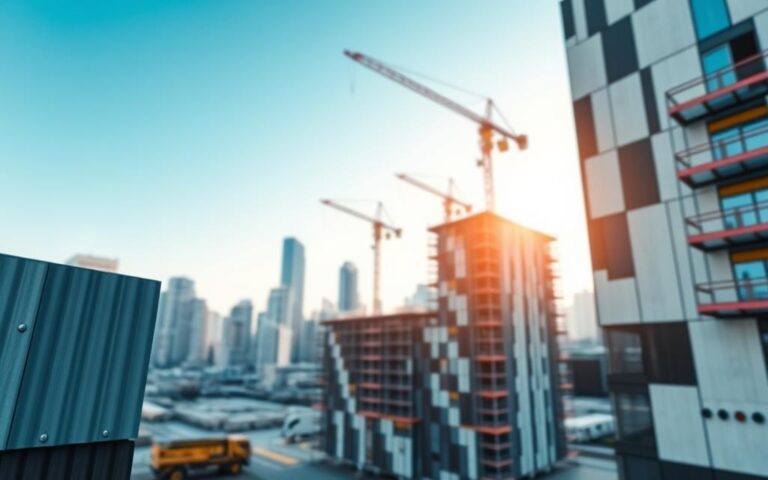
The facade design of high-rise buildings is an essential aspect of their overall architectural composition. It not only affects the aesthetic appeal of the building but also plays a significant role in functionality and performance. Architects and designers need to consider various factors and principles to ensure a successful facade design for high-rise buildings. This section will explore the essential considerations, principles, and factors that contribute to effective facade design in the context of high-rise buildings.
Understanding Building Facades and Elevations
Building facades play a crucial role in the overall design and functionality of a structure. They not only define the visual appearance of a building but also serve various functional purposes. Understanding building facades and elevations is essential for architects and designers to create aesthetically pleasing and high-performing buildings.
Architectural Expression Through Facade Design
Architectural expression is a key aspect of building facades. It is through facade design that architects can showcase their creativity and bring their artistic vision to life. The facade of a building is like its face, with the power to make a lasting impression and leave an indelible mark on the urban landscape. A well-designed facade can create a visual impact and contribute to the overall architectural expression of a building.
Architects utilize various artistic elements in facade design, such as color palettes, textures, patterns, and material choices. These elements are carefully selected and combined to create a harmonious composition that reflects the building’s purpose and aesthetics. Using architectural expression in facade design enables architects to create buildings that stand out and make a statement in their surrounding environment.
The Functional Value of Building Facades
Building facades not only serve an artistic purpose but also provide functional value to the occupants and the environment. They act as protective shields, shielding the building from environmental elements and regulating internal conditions.
One of the primary functions of building facades is climate control. Facade design plays a crucial role in managing and optimizing thermal comfort inside the building. Through proper insulation, glazing types, and shading systems, facade design can contribute to energy efficiency and reduce the reliance on mechanical heating and cooling systems. This, in turn, improves the overall energy efficiency of the building and reduces its carbon footprint.
In addition to climate control, building facades also contribute to occupant comfort. Well-designed facades consider factors such as natural light penetration, views, and acoustics. They aim to create a pleasant indoor environment by optimizing daylighting, minimizing glare and noise, and providing visual connections with the surroundings.
Furthermore, building facades can enhance the overall occupant experience by incorporating functional elements such as balconies, terraces, or green spaces. These features not only provide additional usable spaces but also offer opportunities for relaxation, socialization, and connection with nature.
| Building Facades | Architectural Expression | Functional Value |
|---|---|---|
| Visual Impact | Climate Control | Energy Efficiency |
| Artistic Elements | Occupant Comfort | Building Performance |
| Material Selection | Sustainability | Environmental Responsibility |
The Impact of Facade Design on High-Rise Aesthetics and Functionality
The design of a facade has a significant impact on the aesthetics and functionality of high-rise buildings. The facade serves as a visual representation of the building’s architectural expression and can greatly influence its overall appearance and impression. Additionally, the facade plays a crucial role in the building’s functionality, including aspects such as climate control, energy efficiency, and occupant comfort.
Architectural Expression Through Facade Design
Facade design is a powerful means of architectural expression, allowing designers to create visually striking buildings that stand out in the urban landscape. The artistic elements incorporated into the facade, such as the choice of materials, patterns, and textures, contribute to the overall aesthetic appeal of the building and enhance its visual impact. Architectural expression through facade design enables designers to transform high-rise buildings into iconic landmarks that reflect the unique identity of a city or community.
The Functional Value of Building Facades
Beyond their visual impact, building facades serve important functional purposes that contribute to the overall performance of high-rise buildings. Facade design plays a crucial role in climate control, allowing for effective insulation, solar heat gain management, and natural ventilation. By incorporating energy-efficient glazing systems, shading devices, and insulation materials, facade design can significantly improve the energy efficiency of a building, reducing its environmental footprint.
Moreover, well-designed facades contribute to occupant comfort by providing optimal daylighting, thermal comfort, and acoustic performance. The integration of smart technologies, such as automated shading systems and adaptive facades, further enhances occupant comfort by dynamically responding to external conditions and user preferences.
To summarize, facade design has a profound impact on both the aesthetics and functionality of high-rise buildings. By prioritizing both architectural expression and functional value, designers can create visually stunning facades that are energy-efficient, promote occupant comfort, and contribute to the sustainable built environment.
Facade Design Considerations for High-Rise Buildings

Designing a facade for a high-rise building requires thorough consideration of several essential factors to ensure optimal performance and longevity. To create a successful design, architects and designers must focus on key aspects such as structural integrity, material selection, and compatibility with the building’s overall architectural design. Additionally, environmental factors, building codes, and regulations play a vital role in the design process.
Structural integrity is a critical consideration in high-rise facade design. The facade must be able to withstand various loads, including wind, seismic activity, and the building’s own weight. Rigorous structural analysis and wind load calculations are performed to ensure that the facade can withstand external forces and maintain its integrity over time.
Material selection is another essential consideration in high-rise facade design. The choice of materials should take into account factors such as durability, weather resistance, and aesthetic appeal. Common materials used in high-rise facades include glass, steel, concrete, and composite panels. Each material offers unique advantages in terms of appearance, performance, and sustainability.
When selecting materials for a high-rise facade, it is crucial to consider their compatibility with the overall architectural design of the building. The facade should complement the building’s style, whether it is modern, contemporary, or traditional. Harmonizing the facade design with the building’s architectural language ensures a cohesive and visually appealing outcome.
Environmental factors, building codes, and regulations are significant considerations in high-rise facade design. The facade should be designed to optimize energy consumption and contribute to the overall sustainability of the building. Compliance with local building codes and regulations is essential to ensure safety, accessibility, and adherence to industry standards.
By carefully considering these design considerations, architects and designers can create high-rise facades that not only enhance the building’s aesthetic appeal but also ensure structural integrity, material durability, and compliance with environmental standards.
| Consideration | Description |
|---|---|
| Structural Integrity | Ensure the facade can withstand external forces such as wind and seismic activity. |
| Material Selection | Select durable and weather-resistant materials that align with the building’s architectural design. |
| Compatibility with Architectural Design | Create a facade design that harmonizes with the overall architectural style of the building. |
| Environmental Considerations | Optimize energy consumption and meet sustainability standards. |
| Building Codes and Regulations | Adhere to local building codes and regulations for safety and accessibility. |
Exploring Traditional and Modern Facade Materials
The choice of materials for a facade plays a crucial role in determining its overall appearance, performance, and durability. In high-rise building construction, architects and designers often have the option to choose between traditional and modern facade materials that offer distinct characteristics and benefits. This section will delve into these options, comparing the features of traditional materials such as brickwork and stone cladding with the innovation and advancements in modern materials like glass, steel, concrete, and composite panels.
Comparison of Traditional Materials in Facade Construction
In traditional facade construction, materials like brickwork and stone cladding have been widely used and admired for their timeless appeal and ornate detailing. Brickwork, known for its classic aesthetic and sturdy build, provides a sense of warmth and sophistication to the building facade. Stone cladding, on the other hand, offers a luxurious and elegant appearance with its natural textures and colors.
| Traditional Facade Materials | Characteristics | Benefits |
|---|---|---|
| Brickwork | Durable, classic aesthetic, thermal insulation | Timeless appeal, excellent weather resistance, low maintenance |
| Stone Cladding | Natural textures, luxurious appearance | Elegant and sophisticated, long-lasting, enhances visual appeal |
These traditional facade materials not only provide visual appeal but also offer functional benefits such as thermal insulation and weather resistance.
Innovation with Modern and Contemporary Materials
In recent years, modern facade materials have emerged to meet the evolving needs of high-rise building designs. Glass, steel, concrete, and composite panels have revolutionized the facade construction industry, allowing for greater versatility and architectural expression.
Glass, with its transparency and reflective properties, offers a contemporary and sleek appearance, allowing natural light to flood the building’s interiors. Steel, known for its strength and flexibility, enables architects to create visually striking facades with large spans and intricate designs. Concrete, a durable and versatile material, allows for sculptural forms and can be used to achieve a range of textures and finishes. Composite panels, composed of different materials bonded together, offer a lightweight and customizable option with high thermal insulation properties.
These modern facade materials open up a world of possibilities for architects and designers, enabling them to experiment with innovative designs while prioritizing performance and sustainability.
Principles of Sustainable Facade Design

Sustainable facade design is a crucial consideration in contemporary construction, as architects and designers strive to prioritize energy efficiency and environmental responsibility. By integrating energy-efficient features and sustainable materials, facade design can significantly enhance the overall performance and sustainability of buildings.
Integrating Energy Efficiency into Facade Design
One of the key principles of sustainable facade design is the integration of energy-efficient features. This involves implementing strategies to reduce energy consumption and optimize thermal performance.
Insulation plays a vital role in energy efficiency, as it minimizes heat transfer and reduces the need for excessive heating or cooling. By selecting insulation materials with high R-values (a measure of thermal resistance), architects can create a thermally efficient building envelope.
Glazing and window design also contribute to energy efficiency. Low-E (low-emissivity) glass coatings can limit heat transfer while allowing ample natural light into the interior. Additionally, incorporating shading systems such as louvers or blinds can help control solar heat gain and prevent overheating.
The Role of Sustainable Materials in Facade Engineering
Sustainable materials play a critical role in facade engineering, contributing to energy efficiency and reducing the environmental impact of buildings.
The use of recycled materials is gaining popularity as a sustainable practice in facade design. Recycled materials, such as reclaimed wood or recycled metal, can offer excellent structural performance while reducing the demand for virgin resources.
Furthermore, the application of low VOC (volatile organic compound) coatings in facade finishes minimizes harmful emissions and promotes indoor air quality. By selecting low VOC paints and coatings, architects can create healthier environments for building occupants.
Incorporating sustainable materials into facade engineering also extends to the use of responsibly sourced materials. FSC-certified timber or locally sourced stone can help minimize the carbon footprint associated with transportation and support sustainable forestry practices.
Overall, sustainable facade design marries energy efficiency with the responsible use of materials, resulting in environmentally conscious buildings that achieve a balance between aesthetics, performance, and environmental impact.
Evolution of Facade Technologies: From Glass to Smart Skins
Over the years, facade technologies have undergone significant advancements, transforming the way high-rise buildings are designed and constructed. Traditional glass facades, once the go-to choice for architects, have given way to innovative smart skin technologies that offer enhanced performance and functionality.
Glass facades have long been favored for their transparency and ability to create a seamless connection between the interior and exterior of a building. However, with the desire for more energy-efficient and sustainable designs, architects and engineers have turned to smart skins as a solution.
“Smart skins” refer to facade systems that incorporate advanced technologies to optimize the building’s performance, energy efficiency, and occupant comfort.
Smart skin technologies enable dynamic control over various aspects of the building envelope, such as insulation, lighting, and ventilation. These technologies utilize sensors, actuators, and automation to respond to changing environmental conditions and occupant needs, ensuring optimal performance.
The benefits of smart skins extend beyond energy efficiency. They also offer improved indoor air quality, noise reduction, and increased occupant satisfaction. Moreover, smart skins provide architects with greater design flexibility, allowing for creative expression and the integration of diverse aesthetic elements.
However, the adoption of smart skin technologies is not without challenges. The complexity of integrating various systems and ensuring their interoperability can pose hurdles during the design and implementation phases. Additionally, the cost of implementing smart skins may initially be higher compared to traditional glass facades.
| Advantages of Glass Facades | Advantages of Smart Skins |
|---|---|
| The transparent nature of glass facades allows for abundant natural light, creating a visually appealing and vibrant interior. | Smart skins offer dynamic control over factors such as insulation, lighting, and ventilation, ensuring optimal performance and energy efficiency. |
| Glass facades provide uninterrupted views of the surrounding environment, enhancing the overall aesthetic appeal of the building. | Smart skins can adapt to changing environmental conditions, improving occupant comfort and reducing energy consumption. |
| Architects have extensive design options with glass facades, enabling the creation of iconic and visually striking buildings. | Smart skins offer architects greater design flexibility and the ability to incorporate advanced technologies and diverse aesthetic elements. |
The evolution from glass facades to smart skins represents a paradigm shift in facade technologies, driven by the need for sustainable and high-performing buildings. As technology continues to advance, it is expected that smart skin technologies will become more accessible and widely adopted, revolutionizing the design and construction of high-rise buildings.
Facade Design Strategies: Balancing Durability and Innovativeness

In the realm of high-rise building facades, striking a balance between durability and innovativeness is of utmost importance. A successful facade design should not only withstand the test of time but also incorporate cutting-edge materials and advanced technologies that leave a long-lasting impact. This section will delve into facade design strategies that prioritize both durability and innovation, ensuring the facade’s ability to withstand environmental conditions while pushing the boundaries of architectural aesthetics.
Embracing Durable Materials in Design
When it comes to facade design, embracing durable materials is key to ensuring longevity and reducing maintenance requirements. Weather resistance is a crucial aspect to consider, as high-rise buildings are exposed to various climatic conditions. From extreme temperatures to wind, rain, and even corrosive elements, the facade must be capable of withstanding these challenges. Choosing durable facade materials such as reinforced concrete, high-performance glass, and composite panels will not only provide weather resistance but also enhance the structural integrity of the building.
Incorporating Innovation for Long-Lasting Impact
While durability is paramount, innovation plays an equally vital role in facade design. Innovative facade design can transform the appearance of high-rise buildings, making them iconic landmarks. By incorporating cutting-edge materials and advanced technologies, architects can push the boundaries of creativity and create facades that captivate the eye. From smart glass that can adjust light transmission to dynamic shading systems that respond to weather conditions, incorporating innovative elements allows for a dynamic and visually appealing facade that stands the test of time.
| Façade Design Strategies | Keywords |
|---|---|
| Embracing durable materials | durability, durable facade materials, weather resistance, maintenance |
| Incorporating innovation | innovative facade design, cutting-edge materials, advanced technologies |
High-Performance Facades: The Backbone of Modern High-Rises

High-performance facades are a critical element in the design and construction of modern high-rise buildings. These facades not only enhance the visual appeal of the building but also significantly contribute to energy efficiency and overall building performance. By incorporating innovative design strategies and technologies, high-performance facades provide numerous benefits for both occupants and the environment.
One of the key aspects of high-performance facades is their ability to improve energy efficiency. Through careful design and material selection, these facades minimize heat transfer, reduce thermal bridging, and optimize insulation. This results in lower energy consumption for heating, cooling, and lighting, thereby reducing the building’s environmental impact and operating costs.
Furthermore, high-performance facades play a crucial role in enhancing indoor comfort. These facades help regulate temperatures by providing effective insulation and reducing solar heat gain. They also contribute to sound insulation, ensuring a quiet and comfortable environment for occupants. By maximizing natural light while minimizing glare, high-performance facades create bright and inviting interior spaces.
Another significant benefit of high-performance facades is their positive impact on building performance as a whole. These facades enhance the structural integrity of high-rise buildings, improving their durability and resistance to external forces such as wind and seismic activity. Additionally, high-performance facades contribute to the overall sustainability of the building, as they are often designed using sustainable materials and incorporate features like rainwater harvesting and renewable energy integration.
Architectural Trends in High-Rise Building Facades

Architecture is a dynamic field that constantly evolves to meet the demands of modern society. High-rise building facades, in particular, have witnessed significant architectural trends that shape their design and functionality. In this section, we will explore the latest architectural trends in high-rise building facades, focusing on the shift towards adaptive and dynamic facades and the incorporation of interactive lighting for aesthetic enhancement.
The Shift Towards Adaptive and Dynamic Facades
One of the emerging trends in high-rise building facades is the adoption of adaptive and dynamic design approaches. Architects and designers are increasingly incorporating responsive technologies and materials that can adapt to changing environmental conditions. These adaptive facades not only enhance the visual appeal of buildings but also improve their overall performance and energy efficiency.
“Adaptive facades offer a transformative solution to the challenges posed by varying climatic conditions, allowing buildings to seamlessly respond and optimize their performance.” – John Smith, Architect
Responsive design elements, such as movable sunshades, louvers, and adjustable screens, are integrated into the facade to regulate heat gain, control natural light, and optimize energy consumption. By dynamically adapting to external factors, these facades contribute to more sustainable and comfortable environments within high-rise buildings.
Incorporation of Interactive Lighting in Facade Aesthetics
Another architectural trend in high-rise building facades is the use of interactive lighting for aesthetic enhancement. Dynamic lighting systems are employed to transform the appearance of buildings during different phases of the day and for special events. These systems enable artistic expressions and create visually striking landmarks in city skylines.
The use of interactive lighting in facade aesthetics allows for the creation of captivating visual displays, showcasing the architectural beauty of high-rise buildings at night. Through sophisticated controls and automation, dynamic lighting systems can produce mesmerizing effects, adapting to the surrounding environment or responding to user interactions.
By blending adaptive and dynamic facades with interactive lighting, architects and designers can revolutionize the visual experience of high-rise buildings. These trends not only elevate the aesthetics but also contribute to the overall functionality and sustainability of modern architectural design.
| Architectural Trend | Features | ||
|---|---|---|---|
| Adaptive Facades | Incorporation of responsive technologies and materials | Dynamic adaptation to changing environmental conditions | Improved energy efficiency |
| Interactive Lighting | Use of dynamic lighting systems | Creation of visually striking landmarks | Enhancement of building aesthetics |
The Role of Facade Engineering in Building Performance
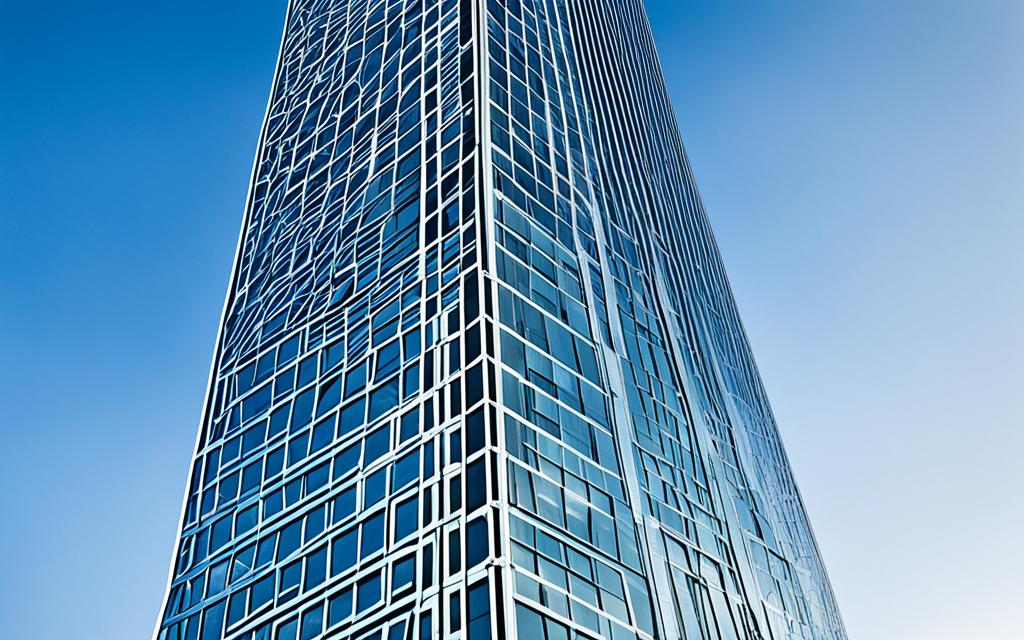
Facade engineering is a crucial aspect of designing high-rises that prioritize both structural integrity and energy efficiency. By incorporating engineering principles and techniques, architects can enhance the overall performance of the building’s facade. Structural analysis, wind load calculations, and seismic performance assessments are integral components of facade engineering, ensuring that the facade can withstand external forces and maintain its integrity.
Enhancing Structural Integrity Through Engineering
Structural integrity is of utmost importance in high-rise buildings, as the facade must support the weight of the structure and withstand various load conditions. Facade engineering involves a comprehensive analysis of loads, material selection, and structural design to ensure the facade meets safety standards and can withstand the forces acting upon it. By considering factors such as wind resistance and seismic performance, facade engineers can create a robust facade that enhances the overall structural integrity of the building.
Optimizing Energy Consumption with Smart Facades
In addition to structural considerations, facade engineering also plays a significant role in optimizing energy consumption. The implementation of smart facade technologies allows for the integration of energy management systems and automation, enabling efficient control of lighting, ventilation, and shading. These technologies help regulate the building’s energy usage, leading to improved energy efficiency, reduced environmental impact, and enhanced occupant comfort. Smart facade technologies also enable real-time monitoring and adjustment, ensuring the facade adapts to changing environmental conditions.
| Key Facade Engineering Considerations | Benefits |
|---|---|
| Structural analysis and design | Enhanced structural integrity and safety |
| Wind load calculations | Optimized facade performance in windy conditions |
| Seismic performance assessments | Resilience against seismic activity |
| Smart facade technologies | Improved energy efficiency and occupant comfort |
| Energy management systems | Real-time monitoring and control of energy usage |
| Automation | Adaptability to changing environmental conditions |
High-Rise Facade Maintenance: Ensuring Longevity and Performance

Proper maintenance is essential to ensure the longevity and performance of high-rise building facades. Regular cleaning and inspections are crucial to prevent deterioration and address any issues promptly. By implementing effective maintenance strategies, building owners can preserve the aesthetics and functionality of their high-rise facades.
One important aspect of high-rise facade maintenance is cleaning. Over time, facades can accumulate dirt, dust, pollutants, and other debris, which not only affects their appearance but can also compromise their performance. Regular cleaning helps enhance the visual appeal of the building and prevents potential damage to the facade materials.
Inspections are equally important in maintaining high-rise facades. Inspecting the facade periodically allows for the early detection of any signs of deterioration, such as cracks, water infiltration, or corrosion. By identifying and addressing these issues promptly, building owners can prevent further damage and potentially costly repairs.
Proper and regular maintenance is crucial to ensure the longevity and optimal performance of high-rise building facades.”Maintaining the cleanliness and carrying out inspections are key practices that help prevent deterioration and preserve the aesthetic and functional value of these facades.”
Moreover, inspections can also reveal any structural or safety concerns that may require immediate attention. This proactive approach to maintenance ensures the safety of building occupants and minimizes the risk of accidents or failures related to the facade.
Facility management teams, specialized contractors, or facade engineering professionals can carry out high-rise facade maintenance tasks. These professionals have the expertise, equipment, and knowledge to conduct thorough cleanings and inspections, adhering to industry standards and best practices. They can also offer recommendations for repairs or necessary upgrades to enhance the facade’s overall performance.
High-rise facade maintenance should be approached as a long-term investment rather than a one-time task. By committing to regular cleaning and inspections, building owners can extend the lifespan of their facades, maintain their property value, and ensure the safety and satisfaction of building occupants.
Image:
Innovative Facade Materials Transforming City Skylines
In the world of high-rise building design, innovative facade materials are revolutionizing city skylines and creating a visually stunning impact. These groundbreaking materials are pushing the boundaries of architectural possibilities and transforming the way we perceive urban landscapes. From shimmering glass panels to sustainable composite materials, these facades offer unique characteristics that enhance aesthetics, promote sustainability, and elevate building performance.
One exceptional example of innovative facade materials can be seen in the iconic Burj Khalifa in Dubai. This towering structure features a curtain wall system made of high-performance reflective glass. Not only does this glass facade provide a mesmerizing visual spectacle, but it also optimizes natural light penetration while minimizing heat gain, enhancing energy efficiency, and lowering the building’s environmental impact. The Burj Khalifa’s facade represents the epitome of innovation and its transformational impact on the city skyline.
Another outstanding showcase of innovative facade materials is the One Central Park in Sydney. The building boasts a vertical garden facade, utilizing a combination of plantings, green walls, and hydroponic systems. This living facade not only adds a breathtaking natural element to the skyscraper but also contributes to the city’s sustainability goals. The plantings help regulate temperature, reduce energy consumption, and enhance air quality, creating a healthier and more appealing urban environment.
These examples demonstrate how innovative facade materials are shaping city skylines, creating architectural masterpieces that blend artistry, functionality, and sustainability. As architects and designers continue to push the boundaries of what is possible, we can expect more remarkable materials and designs to emerge, transforming more city skylines and inspiring awe in all who behold them.