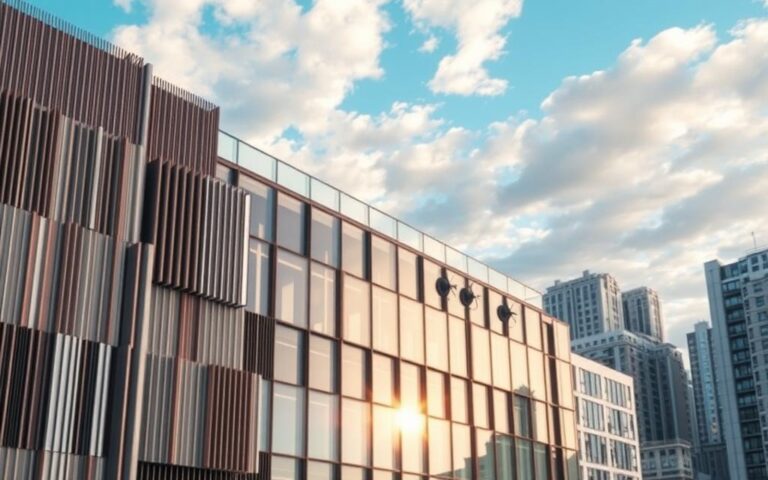
Welcome to our new article series that explores the fascinating intersection of architecture, culture, and design. In this first section, we will delve into the concept of cultural impact in modern facades and how it shapes the architectural landscape of our cities. Facades are not merely exteriors; they are powerful expressions of cultural values and aesthetics, reflecting the identity and heritage of a place. By understanding the cultural context in which buildings exist, architects and designers can create facades that resonate with their surroundings and contribute to the rich tapestry of our built environment.
In today’s globalized world, where the blending of cultures and the fusion of traditional and contemporary elements have become common, it has become increasingly important to consider the cultural impact of facades. Modern facades have the opportunity to act as cultural connectors, bridging the past and the present, honoring tradition while embracing innovation. They have the power to inspire, evoke emotion, and instill a sense of pride in the community.
Our exploration will take us on a journey through time and across continents, where we will discover how cultural values, climate, geography, spirituality, and social hierarchies shape facades in unique and meaningful ways. We will explore the historical influences that have shaped facade design, such as the role of climate control, the convergence of technical and cultural aspects, and the preservation of heritage through contemporary architecture.
We will also uncover how cultural symbols and sacred geometry find their manifestation in modern facades, creating a visual language that speaks to our collective identity. We will analyze the dynamics of social hierarchies presented in architectural trends and the innovations in facade design driven by technological progress.
Additionally, we will explore how cultural traditions are fused with modern architectural practices, highlighting the applications of vernacular architectural elements and the importance of context-driven design. We will delve into the cultural interpretation and reinvention of facade design through innovation, as well as the preservation of cultural heritage and the role of facades in responding to environmental challenges.
By the end of this series, we hope you will gain a deeper appreciation for the intricate relationship between culture and facades and how this relationship influences the way we perceive and interact with our built environment. So, join us on this captivating journey as we unlock the secrets of cultural impact in modern facades.
The Evolution of Facade Design in Cultural Contexts
In the world of architecture, facades hold significant importance. They are not just the outward appearance of a building but also the expression of the culture and values embedded within. The evolution of facade design has been influenced by various cultural contexts, climate control, historical facade conception, and the convergence of technical and cultural aspects.
The Role of Climate Control in Historical Facade Conception
Climate control has played a crucial role in shaping the design of historical facades. Each region’s unique climate has posed challenges that architects and designers have had to address. In arid and hot regions, for example, buildings often feature thick walls and small windows to mitigate heat gain. In colder regions, on the other hand, facades exhibit better insulation and larger windows to maximize natural light and heat retention. These design choices were not only driven by practical considerations but also cultural preferences and traditions specific to each climate.
Historical facade design relied on the materials available within a region and the construction techniques employed. For instance, stone facades were prevalent in regions abundant in stone resources, while adobe or timber facades were common in areas with readily available earth or wood. The choice of materials and construction techniques not only addressed climate control but also reflected the cultural and historical context of the region.
Facility and Expression: The Convergence of Technical and Cultural Aspects
Facades are not merely functional components of a building; they are expressions of cultural identity and aesthetics. They reflect the values, traditions, and artistic sensibilities of the society they represent. The convergence of technical and cultural aspects in facade conception is what makes them unique and captivating.
Technical considerations such as structural stability, energy efficiency, and building regulations are seamlessly blended with cultural influences. Architectural styles, ornamentation, and symbolism are incorporated into facade design to communicate cultural values and reinforce a sense of identity. The intricate carvings of Gothic cathedrals, the geometric patterns of Islamic architecture, and the minimalist elegance of Japanese facades are all examples of how cultural elements shape and enrich facade design.
In addition to their aesthetic appeal, facades also serve as storytellers, narrating the history and cultural heritage of a place. They can showcase the evolution of architectural styles, the influence of different cultures, and the adaptation of traditional elements to contemporary needs. These cultural aspects give facades a deeper layer of meaning and create a connection between the built environment and its inhabitants.
Geographic and Climatic Influences Shaping Cultural Architecture

Geographic and climatic factors play a significant role in shaping the architectural styles and design preferences of different cultures. The unique characteristics of a region’s environment, including its location, topography, and natural resources, influence the construction methods and materials used in cultural architecture. Understanding these geographic influences is essential in creating culturally responsive facades that harmonize with their surroundings.
One of the key geographic influences in cultural architecture is the location of a region. Coastal areas often inspire architectural designs that embrace open spaces, incorporate natural light, and utilize materials that withstand the corrosive effects of saltwater. In contrast, mountainous regions may feature buildings that utilize local stone and sturdy structures to withstand the challenging terrain and weather conditions.
Geographic influences shape the architectural landscape, connecting buildings to their specific surroundings and cultural heritage. This connection ensures that cultural architecture not only reflects the values and traditions of a culture but also seamlessly integrates with the natural landscape.
The climate of a particular region is another crucial factor that influences cultural architecture. In hot climates, where temperatures can soar, facades often rely on shading devices, light-colored materials, and natural ventilation techniques to mitigate the effects of the sun and maintain a comfortable interior environment. Conversely, in colder climates, buildings might incorporate thick, insulated walls, small windows, and efficient heating systems to combat harsh winter conditions.
Climate-responsive design strategies are incorporated into facade design to optimize energy efficiency and create comfortable living or working environments. These strategies may include the use of passive design principles, such as strategic placement of windows for natural ventilation and daylight, as well as the integration of renewable energy sources.
By considering and adapting to the geographic and climatic influences in cultural architecture, architects and designers can create facades that not only showcase the unique identity of a culture but also ensure sustainability and livability. Cultural architecture becomes a story in itself, with each building narrating the relationship between a specific culture and its environment.
| Geographic Influences | Climatic Influences |
|---|---|
| Location | Hot climates |
| Topography | Cold climates |
| Natural resources | Energy efficiency |
| Coastal areas | Passive design principles |
| Mountainous regions | Renewable energy sources |
Architecture as a Reflection of Spiritual and Religious Values
In addition to serving practical purposes, architecture has always played a significant role in reflecting the spiritual and religious values of a society. From ancient temples to modern cathedrals, the design and aesthetics of a building can convey deep symbolic meaning and evoke a sense of spirituality. This section explores how architecture serves as a medium for expressing spiritual and religious values, utilizing techniques such as sacred geometry, symbolism, and architectural fusion.
Sacred Geometry and Symbolism in Facade Aesthetics
The use of sacred geometry in facade aesthetics is one way that architects imbue spiritual and religious values into their designs. Sacred geometry refers to mathematical principles and patterns that are believed to have divine significance. By incorporating these geometric forms into the facade, architects create a visual language that resonates with spiritual and religious associations. These intricate patterns can be found in the intricate carvings of gothic cathedrals or the repetitive motifs in Islamic architecture, each representing the harmony and interconnectedness of the universe.
In addition to sacred geometry, symbolism plays a crucial role in facade aesthetics that reflect spiritual and religious values. Symbolic elements, such as religious icons, motifs, or colors, are employed to convey specific messages or represent particular beliefs. For example, the use of crosses in Christian architecture or the lotus flower in Buddhist temples are symbolic representations of their respective faiths. These symbols not only add visual interest to the facade but also deepen its spiritual meaning, creating a connection between the architecture and its religious context.
Architectural Fusion: Blending Religion and Modern Aesthetics
As architectural styles evolve over time, there is often a fusion of traditional religious elements with modern aesthetics. This blending of the past and present not only celebrates a culture’s rich architectural heritage but also creates unique and culturally significant facades. By incorporating traditional motifs, materials, or design elements into contemporary architecture, architects pay homage to the culture’s religious and spiritual traditions while adapting to modern sensibilities.
This architectural fusion can manifest in different ways, from incorporating traditional architectural features into a modern building to using innovative materials and techniques to reinterpret religious symbolism. For instance, contemporary mosques might feature sleek and minimalist facades while still maintaining traditional design elements such as domes or minarets. By embracing modern aesthetics while respecting religious values, architects create buildings that are both visually striking and culturally relevant.
Exploring Cultural Significance in Contemporary Facade Design

In the realm of architecture, the cultural significance of facade design holds immense value. Architects and designers have recognized the importance of incorporating cultural elements and references into modern facades to create a deep sense of identity, place, and belonging. This integration of cultural heritage and contemporary design principles not only celebrates the rich history and traditions of a region but also fosters a connection between people and their built environment.
Contemporary facade design is a dynamic blend of innovation, creativity, and cultural homage. Architects strive to create structures that not only meet functional requirements but also serve as iconic landmarks and representations of a community’s collective identity. Through thoughtful design choices, architects can pay tribute to the cultural heritage of a region while pushing the boundaries of architectural expression.
An example that beautifully demonstrates the fusion of cultural significance and contemporary facade design is the Oodi Central Library in Helsinki, Finland. This architectural marvel showcases the country’s passion for literature, nature, and forward-thinking design. The facade design reflects the intricate patterns found in traditional Finnish textiles, creating a visual link to the nation’s rich cultural heritage.
Another notable example is the National Museum of Qatar in Doha. Inspired by the desert rose, a natural geological formation found in the region, the facade design encapsulates the cultural and historical significance of Qatar. The interlocking disks that form the outer shell of the museum pay homage to the traditional craftsmanship techniques of the region, while also embracing modern technologies.
By incorporating cultural elements into contemporary facade design, architects not only create visually striking buildings but also promote a sense of cultural pride and appreciation. These architectural masterpieces become part of the urban fabric, enriching the cultural landscape and serving as a testament to the diversity and creativity of human expression.
“Contemporary facade design is a powerful medium for preserving and showcasing the cultural heritage of a place.” – Dr. Anna Thompson, Architectural Historian.
It is important to recognize that cultural significance in contemporary facade design is an ongoing dialogue between the past, present, and future. Architects and designers must continue to explore innovative ways to integrate cultural elements into their work, ensuring that the built environment reflects and respects the identity of a community.
Through the seamless integration of cultural heritage and modern design principles, architects can create buildings that are not only aesthetically pleasing but also serve as enduring symbols of a society’s values, traditions, and aspirations.
Cultural Symbols and Their Manifestation in Modern Facades
In modern architecture, cultural symbols play a significant role in the design and aesthetic expression of facades. Architects and designers have recognized the importance of incorporating cultural symbols to create visually captivating and culturally significant buildings.
The Impact of Cultural Symbols on the Urban Landscape
Cultural symbols in modern facades have a profound impact on the urban landscape. These symbols contribute to the identity and character of a place, creating a unique visual language that reflects the cultural heritage and values of the community. By integrating cultural symbols into facades, architects have the opportunity to transform the urban environment into a meaningful and engaging space.
For example, the use of traditional motifs and patterns in facade design can establish a connection between the new building and its surroundings, enhancing the sense of place and reinforcing cultural identity. Additionally, cultural symbols can serve as landmarks and points of reference, enriching the urban fabric and providing a sense of unity and cohesion.
Preservation of Heritage through Contemporary Architecture
Contemporary architecture plays a crucial role in the preservation of cultural heritage. Through the incorporation of cultural symbols in facades, architects can honor and celebrate the traditions, history, and values of a community. By merging the past with the present, contemporary architecture becomes a medium for storytelling and cultural continuity.
Preserving heritage through facade design involves a delicate balance between respecting historical contexts and embracing modern innovation. Architects strive to interpret and reinterpret traditional architectural elements, adapting them to suit contemporary needs while preserving their cultural significance. This approach ensures that cultural heritage remains alive and relevant in the modern world, contributing to the richness and diversity of the built environment.
The Dynamics of Social Hierarchies Presented in Architectural Trends

Social hierarchies and architectural trends are closely intertwined, with architectural styles and facade designs often reflecting and shaping societal structures. The choice of architectural aesthetics can convey power, status, and cultural values within a given community, thereby reinforcing social hierarchies.
Palatial Facades vs. Minimalist Housing: A Cultural Discourse
One prominent example of the dynamics between architectural trends and social hierarchies is the cultural discourse between palatial facades and minimalist housing. Palatial facades, characterized by grandeur, intricate details, and larger-than-life proportions, have historically been associated with wealth, power, and social status. They often adorn the dwellings of affluent individuals and institutions, emphasizing their elevated position in society.
“Architecture is the mirror of society, reflecting its values, aspirations, and disparities.”
On the other hand, minimalist housing represents a departure from ostentatious displays of wealth and a shift towards simplicity and functionality. This architectural trend emerged as a response to the need for sustainable and efficient living spaces, breaking away from the excessive consumption and opulence associated with palatial facades. Minimalist housing highlights the appeal of a more egalitarian approach, where emphasis is placed on essential elements, clean lines, and spatial efficiency, promoting a sense of equality and community.
Traditional Influence in the Elevation of Modern Edifices
While architectural trends evolve to reflect contemporary values and preferences, traditional influence remains a significant factor in the elevation of modern edifices. Cultural heritage and historical context often shape the design choices and overall aesthetic of buildings, contributing to the preservation of cultural identity and reinforcing social hierarchies associated with longstanding traditions.
The integration of traditional architectural elements in modern facades serves as a visual homage to the past, showcasing a cultural connection and a respect for history. The juxtaposition of traditional elements with contemporary design approaches creates a unique blend that reflects the cultural values and aspirations of a society. By incorporating traditional influence, architects and designers not only pay homage to the past but also contribute to the continued relevance and appreciation of cultural heritage.
| Architectural Trends | Key Characteristics |
|---|---|
| Palatial Facades |
- Grandeur and opulence
- Intricate details and ornamentations
- Larger-than-life proportions
- Emphasis on status and power
| Minimalist Housing |
- Simplicity and functionality
- Clean lines and minimal ornamentation
- Efficient use of space
- Promotes a sense of equality and community
| Traditional Influence in Modern Edifices |
- Integration of traditional elements
- Cultural homage and connection
- Preservation of cultural identity
- Blending of past and present
Innovations in Facade Design Reflecting Technological Progress

The continuous technological progress in the field of architecture has brought about numerous innovations in facade design. These advancements have revolutionized the way buildings are designed, constructed, and function, paving the way for more efficient, sustainable, and visually stunning facades.
One notable innovation is the use of advanced materials in facade construction. Engineers and architects are now harnessing the benefits of materials such as glass reinforced concrete (GRC), ultra-high-performance concrete (UHPC), and photovoltaic glass to create facades that are not only aesthetically appealing but also provide enhanced structural stability and energy efficiency.
“Innovations in facade design have transformed buildings into dynamic living organisms that respond and adapt to their surroundings.”
Technological progress has also revolutionized construction techniques, enabling the creation of complex and intricate facade designs previously thought impossible. The advent of parametric design tools and Building Information Modeling (BIM) software has allowed architects to explore new dimensions of creativity, resulting in facades that are unique, expressive, and seamlessly integrated with the overall architectural design.
Moreover, building technologies such as smart glass systems, automated shading devices, and dynamic facades have transformed the way facades respond to environmental conditions. These innovative solutions offer greater control over natural lighting, thermal comfort, and energy consumption, resulting in highly efficient buildings that minimize their impact on the environment.
| Innovation | Description |
|---|---|
| Smart Glass Systems | Switchable glass technologies that can change transparency, providing privacy and solar control. |
| Automated Shading Devices | Motorized blinds or louvers that adjust based on sunlight, enhancing energy efficiency and occupant comfort. |
| Dynamic Facades | Responsive facade systems that adapt to changing environmental conditions, optimizing energy performance. |
These innovations in facade design are not only revolutionizing the way buildings look and function but also shaping the future of sustainable architecture. By integrating technology with design, facades are becoming more than just decorative elements – they are contributing to the overall performance, efficiency, and sustainability of buildings.
As technological progress continues to unfold, we can expect even more groundbreaking innovations in facade design that will push the boundaries of what is possible in architectural expression, energy efficiency, and environmental responsibility.
Fusion of Cultural Traditions in Modern Architectural Practices

Modern architectural practices have embraced the fusion of cultural traditions to create unique and culturally resonant facades. Architects today understand the significance of incorporating vernacular architectural elements into contemporary designs, allowing for a seamless blend of historical appeal and contemporary needs. This approach not only creates visually stunning structures but also reflects the rich cultural heritage of a place.
Modern Applications of Vernacular Architectural Elements
In the pursuit of cultural continuity and identity, architects have been skillfully incorporating vernacular architectural elements into modern facades. By preserving and utilizing traditional design principles, these elements bring a sense of authenticity and historical significance to the buildings. Examples include the use of traditional building materials, such as adobe or timber, and the integration of traditional patterns, motifs, and decorative elements in facade design.
Context-Driven Design: Blending Historical Appeal with Contemporary Needs
Context-driven design is a philosophy embraced by architects seeking to create culturally responsive facades. It involves blending historical appeal with the contemporary needs of a building’s occupants, ensuring that the design reflects the culture and context of its surroundings. This approach considers factors such as climate, local materials, cultural symbolism, and social dynamics, resulting in facades that are both aesthetically pleasing and functionally efficient.
By taking into account the fusion of cultural traditions, modern architectural practices have been able to create facades that not only fulfill contemporary needs but also celebrate the historical appeal and cultural significance of a place. Through the integration of vernacular architectural elements and context-driven design, architects are forging new paths in facade design and creating structures that resonate with the communities they serve.
Cultural Interpretation and Reinvention in Facade Design Innovation

In the realm of facade design, innovation is essential for creating unique and captivating architectural structures that reflect the spirit of a place. One aspect of innovation lies in the cultural interpretation and reinvention of facade design, where architects draw inspiration from local culture to create innovative and culturally relevant facades.
The incorporation of local culture in contemporary facade creativity brings a sense of authenticity and identity to the built environment. By integrating elements such as traditional motifs, materials, or design principles, architects can establish a strong connection between the building and its surrounding community. This fusion of local culture and innovative design not only enhances the aesthetic appeal of the facade but also fosters a deeper appreciation for the heritage and traditions of that particular region.
Sustainability plays a crucial role in facade innovation. As architects strive to create environmentally conscious designs, they are increasingly incorporating sustainable materials, energy-efficient systems, and passive design strategies into facade solutions. Cultural integration in facade innovation goes hand in hand with sustainability, as it encourages the use of local materials and techniques that are in harmony with the natural environment and cultural values of the community.
“The integration of local culture and sustainability in facade design innovation creates a harmonious blend of aesthetic appeal, cultural relevance, and environmental consciousness.”
By honoring the cultural heritage and incorporating sustainable practices, architects can create facades that not only stand as architectural marvels but also contribute to the well-being and sense of belonging of the local community. Cultural interpretation and reinvention in facade design innovation pave the way for a more inclusive and sustainable built environment, where architecture becomes a manifestation of cultural identity and an embodiment of contemporary values.
To visualize the concept of cultural interpretation and reinvention in facade design innovation, take a look at the image below:
| Case Study | Location | Cultural Interpretation | Sustainability Integration |
|---|---|---|---|
| Bosco Verticale | Milan, Italy | The facade design reflects the concept of vertical forests, drawing inspiration from the local culture’s appreciation for nature. | The inclusion of hundreds of trees and plants on the building’s facade provides natural insulation, reduces energy consumption, and improves air quality. |
| Marina Bay Sands | Singapore | The unique design incorporates elements of traditional Asian architecture, including the integration of water features and the use of cultural motifs. | The facade design incorporates sustainable materials, harnesses solar energy, and incorporates rainwater harvesting systems to minimize environmental impact. |
| Burj Khalifa | Dubai, United Arab Emirates | The design draws inspiration from Islamic architecture, featuring geometric patterns and arabesque motifs that reflect the local culture’s rich heritage. | The facade incorporates energy-efficient glass panels, shading devices, and a condensate recovery system, ensuring sustainability in a desert environment. |
The table showcases how cultural interpretation and sustainability are intertwined in innovative facade designs, resulting in iconic buildings that celebrate local culture, reduce environmental impact, and inspire future architectural aspirations.
By embracing cultural interpretation and reinvention in facade design innovation, architects have the opportunity to create visually captivating, culturally meaningful, and sustainable structures that leave a lasting impact on the built environment.
Cultural Heritage Preservation in Contemporary Facade Aesthetics

Preserving cultural heritage is a fundamental aspect of architectural design. In the realm of contemporary facade aesthetics, architects and designers strive to integrate elements of cultural heritage into modern buildings, creating a harmonious blend of tradition and innovation.
By incorporating architectural styles, materials, and techniques from the past, architects pay homage to the cultural identity of a place and ensure its preservation for future generations. This approach not only celebrates the unique heritage of a region but also fosters a sense of belonging and pride among its inhabitants.
One notable example of cultural heritage preservation in contemporary facade design is the refurbishment of historic buildings. These architectural treasures are meticulously restored to capture their original character while accommodating modern functionality and sustainability requirements. Through careful preservation, these buildings become living testaments to the cultural heritage of a community.
In addition to refurbishment, architects often reinterpret traditional architectural styles and incorporate them into new buildings, creating a visual dialogue between the past and present. This approach allows for the continuation of cultural traditions while embracing contemporary design sensibilities.
“Contemporary facade aesthetics serve as a canvas for preserving cultural heritage, bridging the gap between generations and ensuring that the stories embedded in our architectural heritage continue to be told.”
– Jane Anderson, Architectural Historian
Contemporary facades also provide an opportunity to showcase indigenous craftsmanship and local materials, further reinforcing the cultural significance of a building. By utilizing traditional techniques and materials, architects honor the expertise of local artisans and promote cultural sustainability.
The integration of cultural heritage in contemporary facades goes beyond aesthetics alone. It serves as a tangible reminder of our shared history and a testament to the enduring value of cultural diversity. Through thoughtful design, architects have the power to nurture cultural pride, foster a sense of identity, and preserve the rich tapestry of our collective heritage.
Modern Facade Trends as a Response to Environmental State of Affairs

As the world grapples with the environmental state of affairs, architects and designers are increasingly incorporating eco-conscious design principles into modern facade trends. These sustainable approaches not only minimize the environmental impact of buildings but also contribute to the cultural relevance and adaptive reuse of facades.
Eco-Conscious Facade Designs and Their Cultural Relevance
Eco-conscious facade designs prioritize energy efficiency, resource conservation, and the use of sustainable materials. By integrating features like green roofs, solar panels, and natural ventilation systems, architects create facades that harmonize with the surrounding environment while reducing energy consumption and carbon footprint. This approach aligns with the cultural sentiments of communities that value environmental stewardship and sustainable living.
Furthermore, eco-conscious facade designs embrace cultural relevance by drawing inspiration from traditional architectural elements and indigenous practices. By incorporating cultural symbols, patterns, and materials, facades become more than mere structures; they embody the cultural identity and heritage of a place. This fusion of eco-consciousness and cultural relevance not only makes a statement about sustainable design but also emphasizes the importance of cultural preservation in contemporary architecture.
Adaptive Reuse and Cultural Sentiments in Facades
Adaptive reuse is another modern facade trend that aligns with both environmental and cultural considerations. Instead of demolishing existing structures, architects creatively repurpose and transform them into new buildings with a respect for cultural sentiments. This approach offers a sustainable solution by reducing construction waste and preserving the historical and cultural value of the original facade.
“Adaptive reuse gives us an opportunity to retain the character, charm, and cultural significance of a building while adapting it to modern needs.”
By repurposing old buildings, architects can seamlessly integrate cultural influences into the design, resulting in facades that tell a story and honor the heritage of a place. This approach fosters a sense of cultural continuity and appreciation for the past while meeting the demands of the present. Adaptive reuse projects often become cultural landmarks that celebrate the shared history of a community and provide a tangible link to the past.
Through eco-conscious facade designs and adaptive reuse projects, architects are actively addressing environmental challenges and embracing cultural relevance. By considering the environmental state of affairs and cultural sentiments, modern facades can serve as symbols of sustainability, heritage preservation, and the harmonious coexistence of humans and the natural world.
Design Influences and Their Effect on Architectural Aesthetics
In the world of architecture, design influences play a crucial role in shaping the aesthetic appeal of facades. These influences stem from various sources, including cultural, historical, social, and technological factors. By understanding and incorporating these influences, architects and designers can create buildings that are visually striking, culturally relevant, and architecturally significant.
Cultural influences are particularly significant in facade design. They reflect the traditions, values, and aesthetics of a particular culture, creating a visual representation of its identity. Whether it’s the intricate patterns of Islamic architecture or the bold colors of Latin American facades, cultural influences infuse buildings with a sense of place and belonging. Integrating these influences allows architects to respect and celebrate the cultural heritage of a community.
Historical influences also shape architectural aesthetics. Whether it’s the neoclassical columns inspired by ancient Greek and Roman architecture or the clean lines of modernist facades influenced by the Bauhaus movement, the past continues to guide design choices. Historical influences provide a link to our architectural heritage and inspire new interpretations that blend tradition with contemporary needs.
Social and technological influences further impact architectural aesthetics. Social factors, such as changing lifestyles and urban dynamics, influence the design of facades. For example, the rise of sustainable design practices has led to the integration of eco-friendly features and materials in facades, resulting in visually appealing buildings that address environmental concerns. Technological advancements also shape architectural aesthetics, with innovations in materials, construction techniques, and digital design tools pushing the boundaries of what is possible in facade design.
By embracing and understanding these design influences, architects and designers can create facades that are not only visually striking but also culturally significant and architecturally relevant. The ability to integrate various influences and translate them into aesthetically pleasing designs is what sets apart exceptional architecture. By blending the past, present, and future, these designers shape the architectural landscape and leave a lasting impact on our built environment.